Chengdu – Lhasa Overland (15 day)
Chengdu – Lhasa Overland (15 day)
Trip Details
- Trip Duration
- 15 days
- Group Size
- 2-8
- Trip Type
- Cultural Trips, Trekking
- Trip Location
- Central Tibet, Chengdu
Trip Details
- Trip Duration
- 15 days
- Group Size
- 2-8
- Trip Type
- Cultural Trips, Trekking
- Trip Location
- Central Tibet, Chengdu
No trip content available.
Trip Gallery
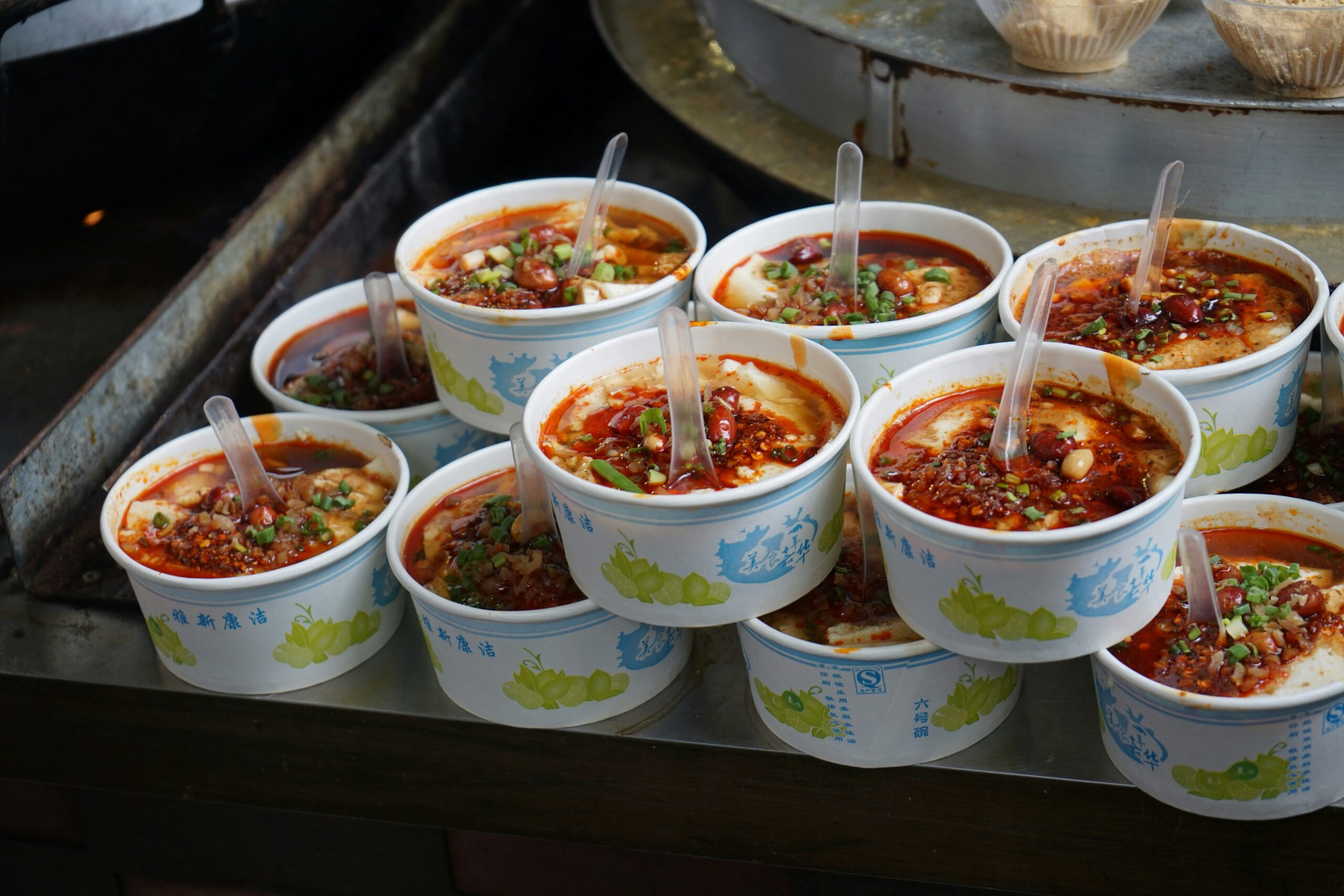
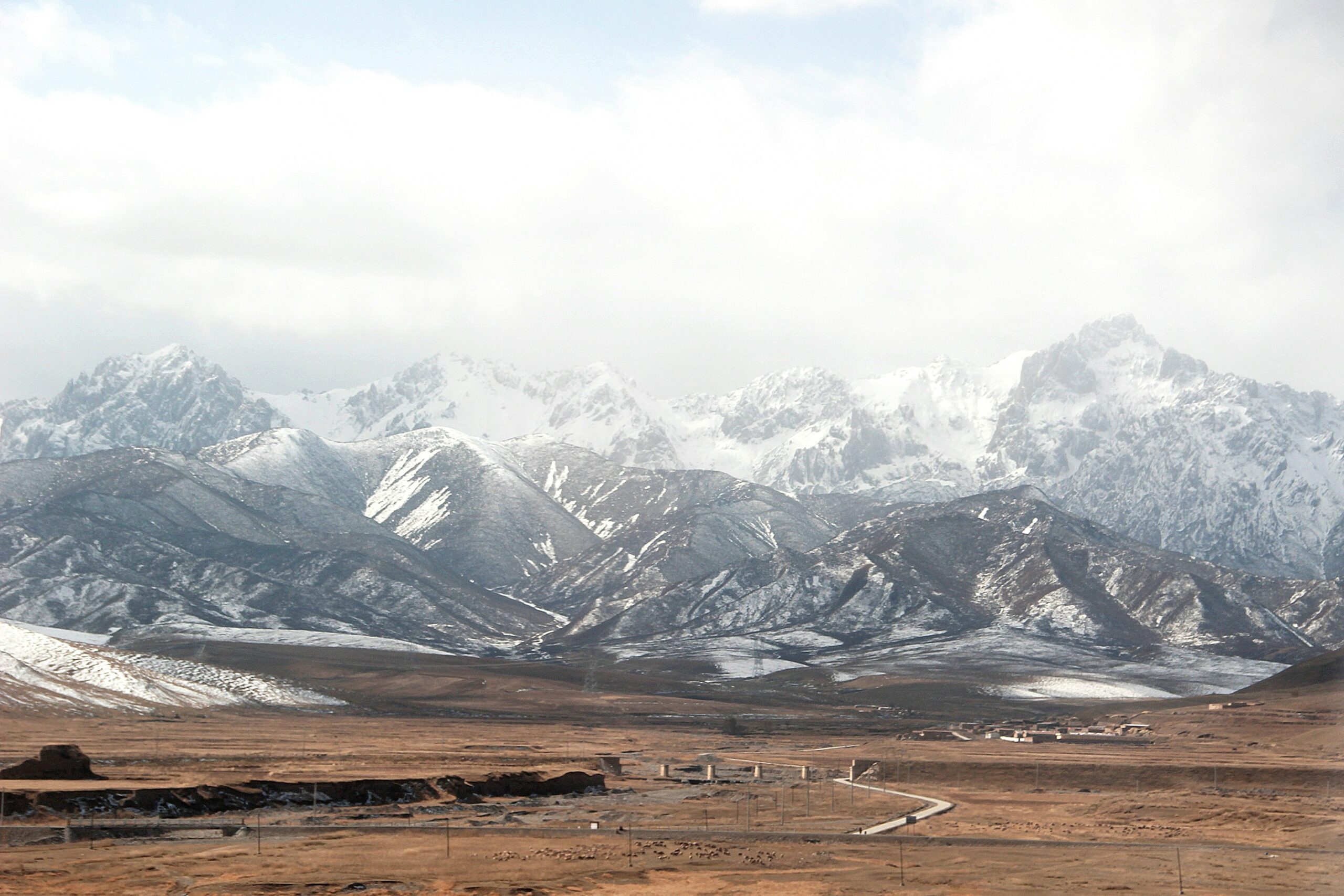
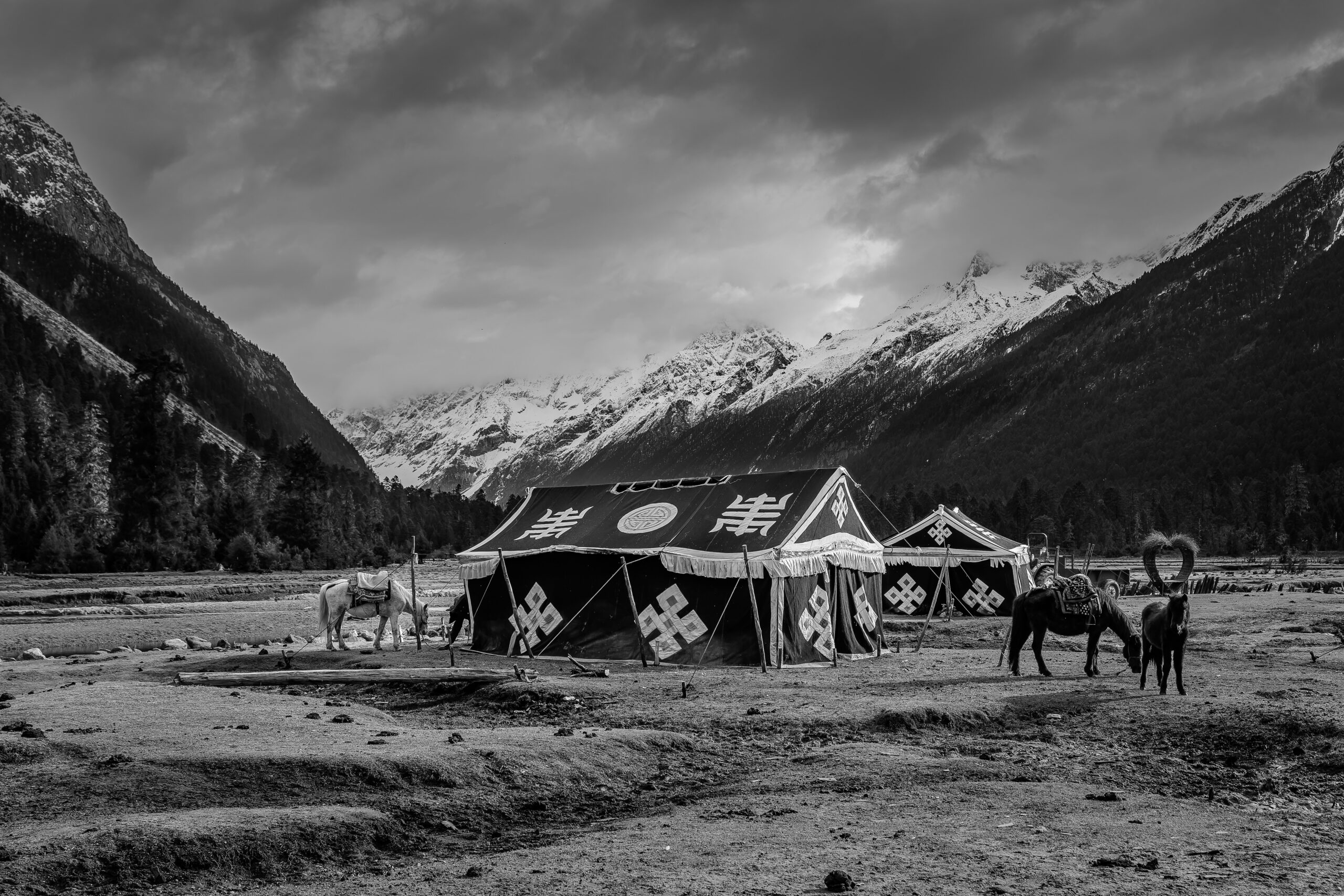
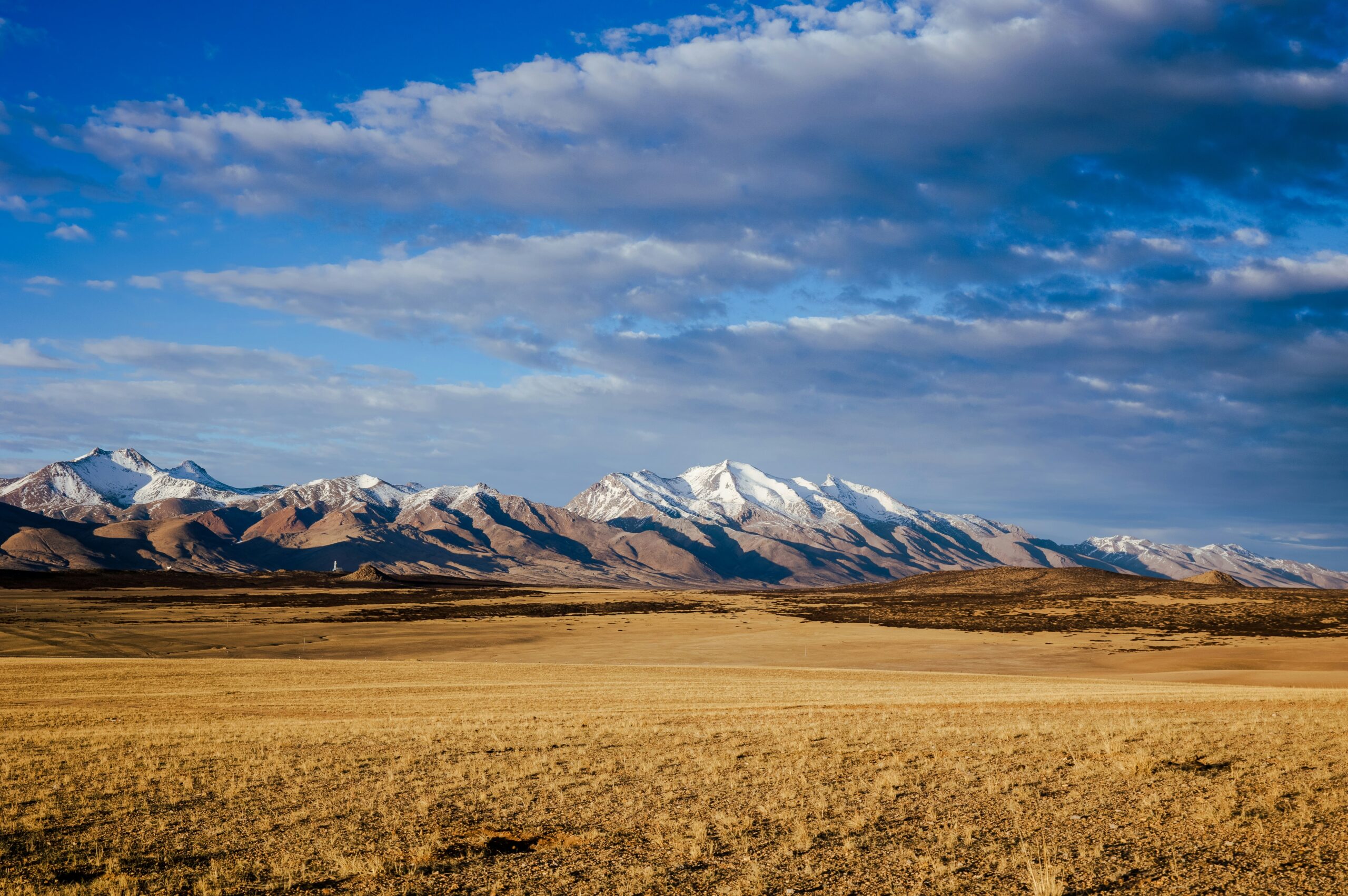
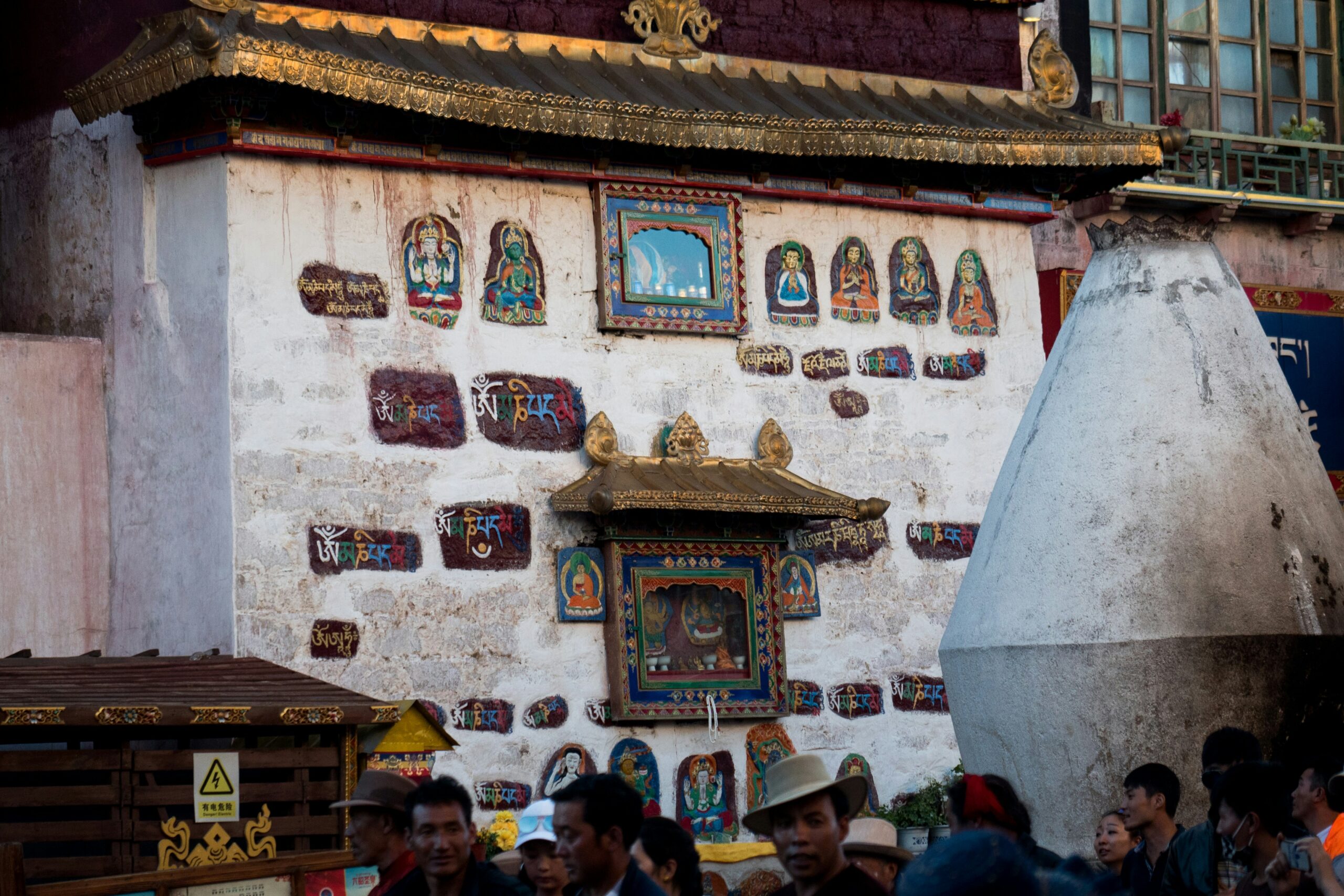
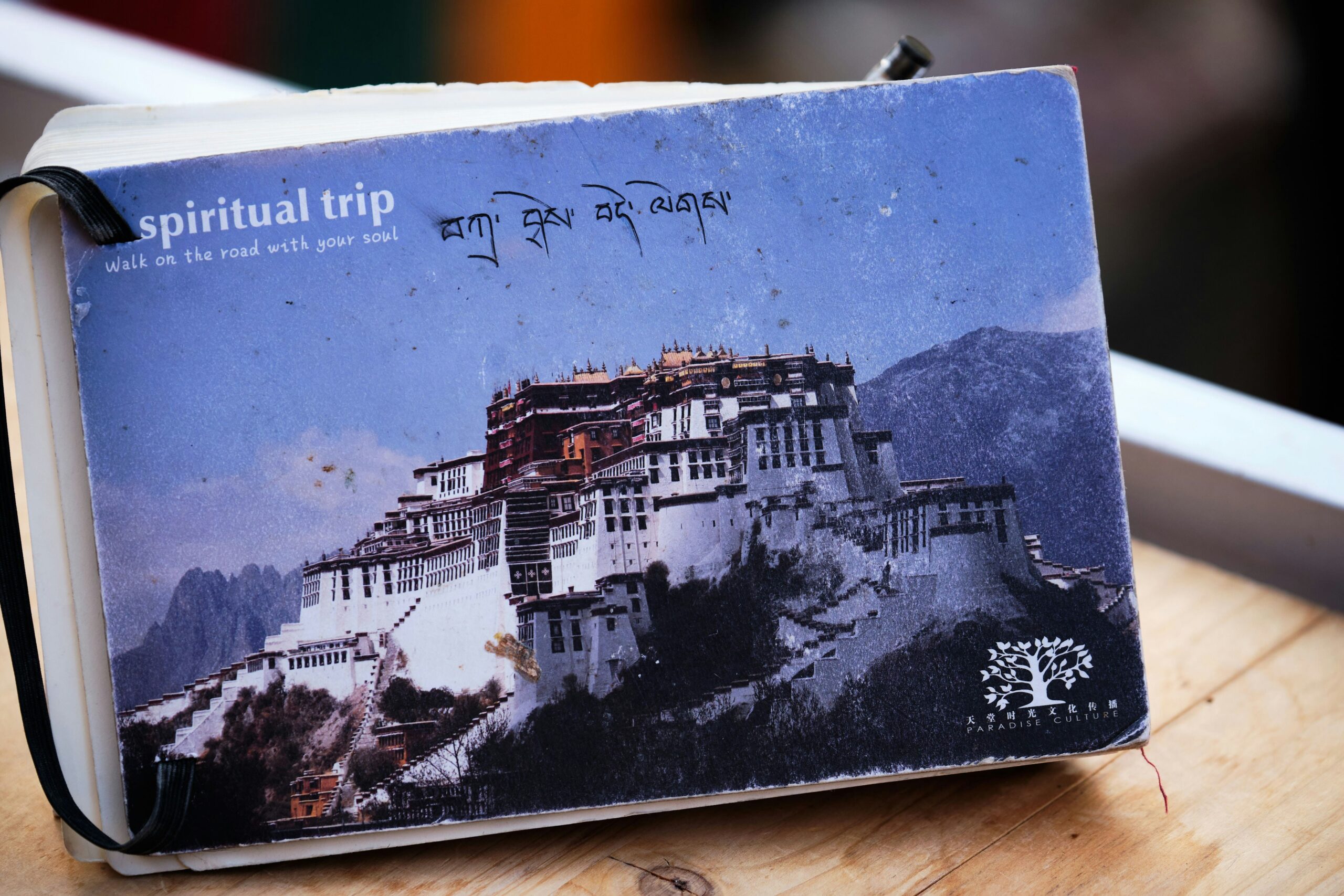
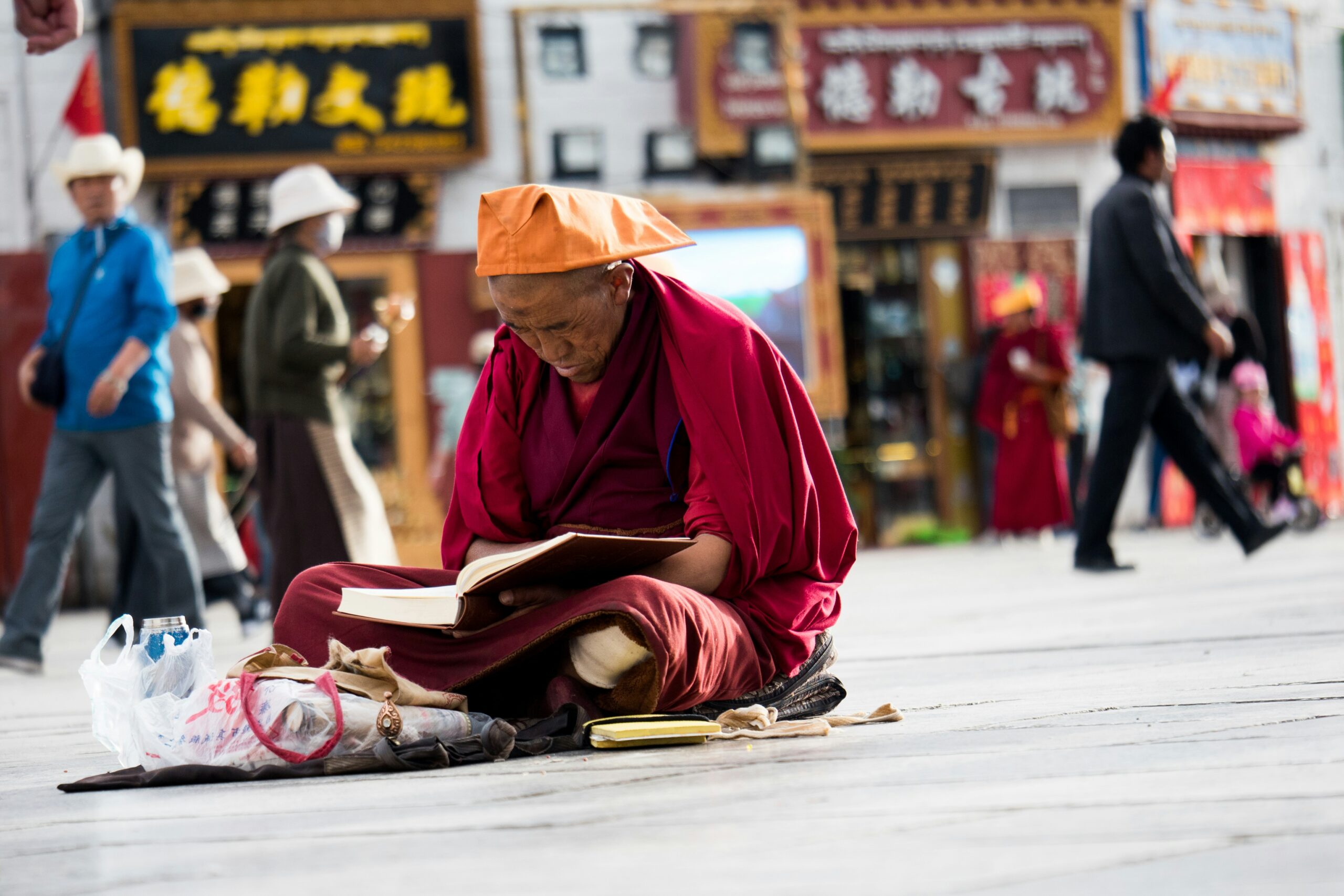
Day 1
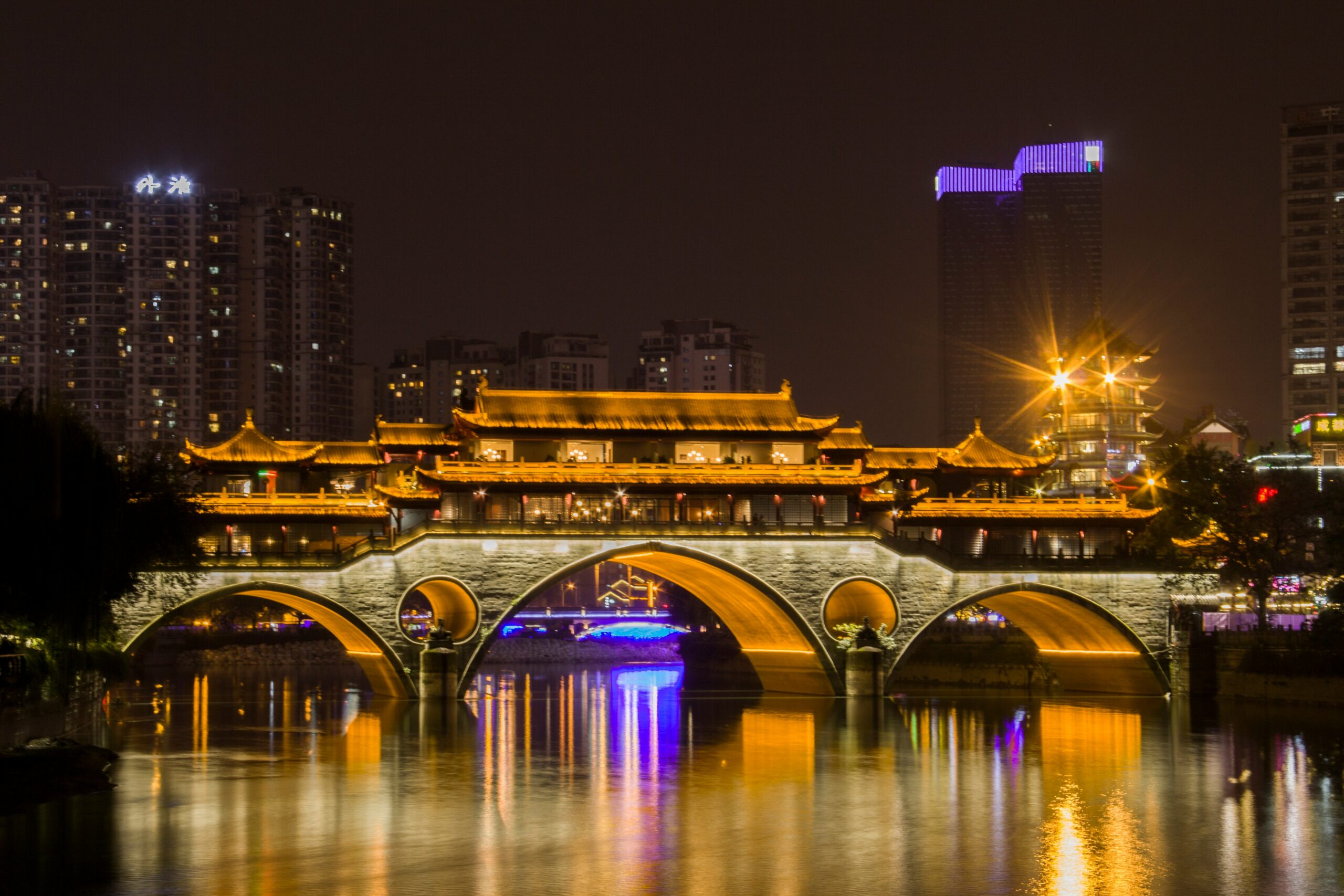
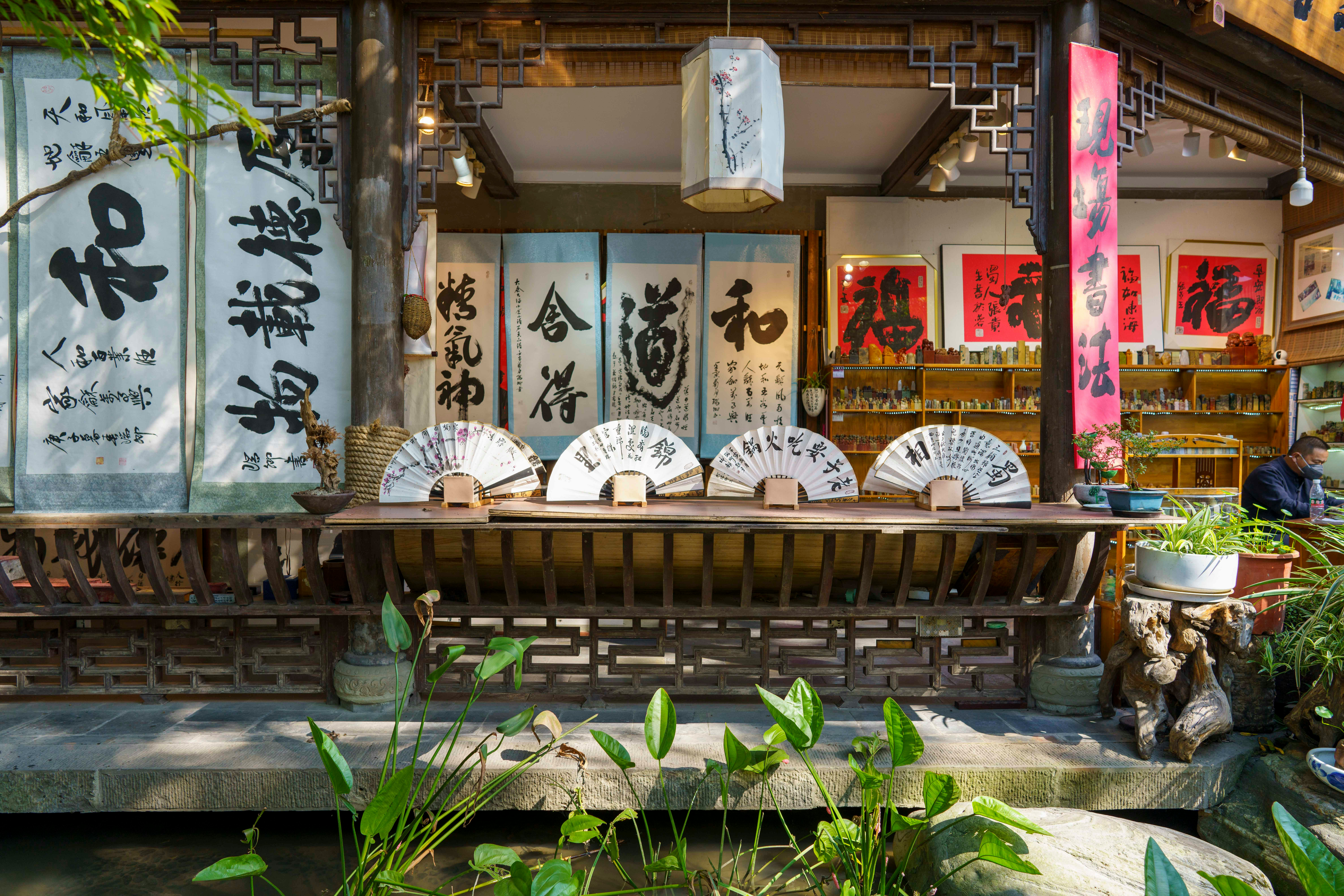
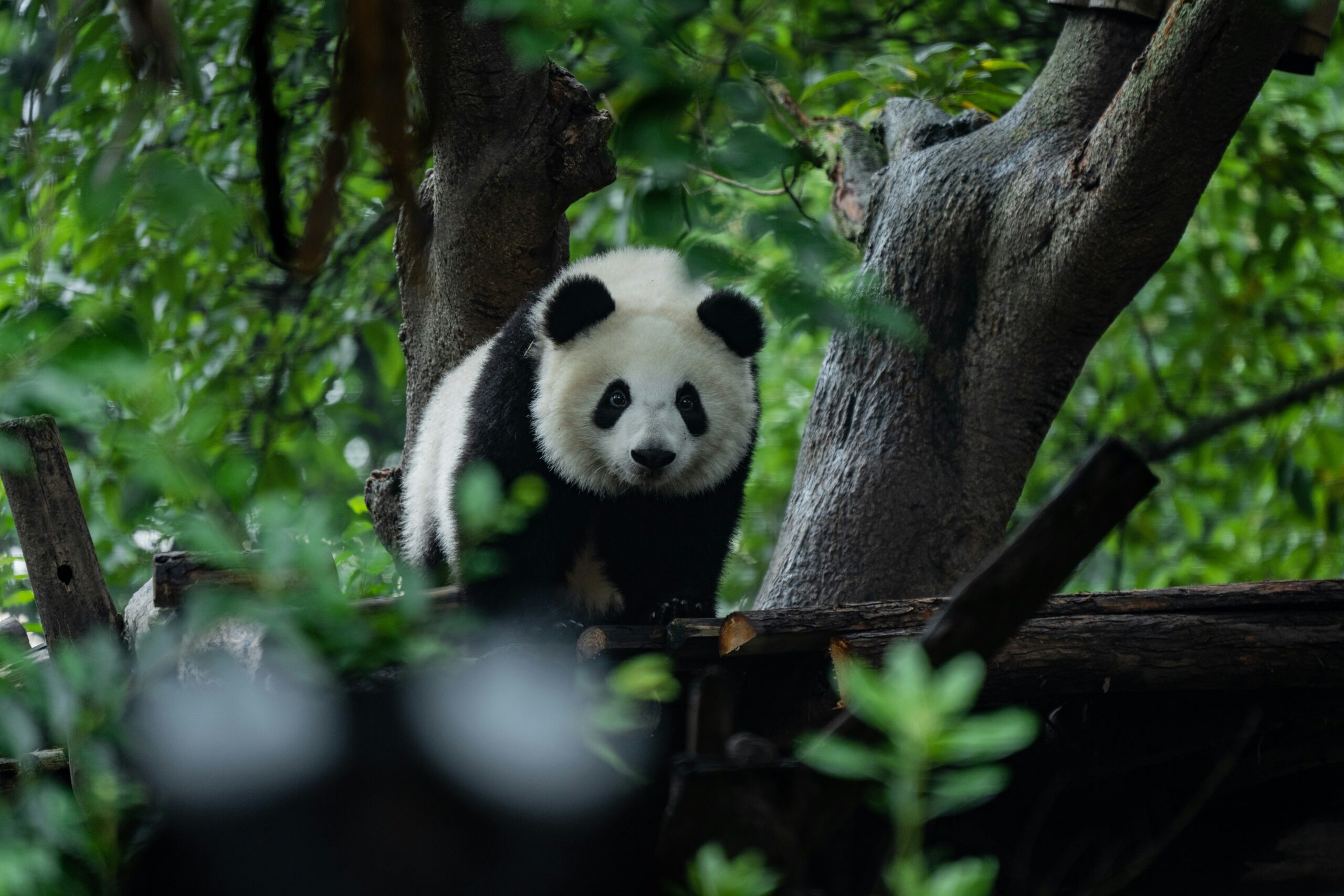
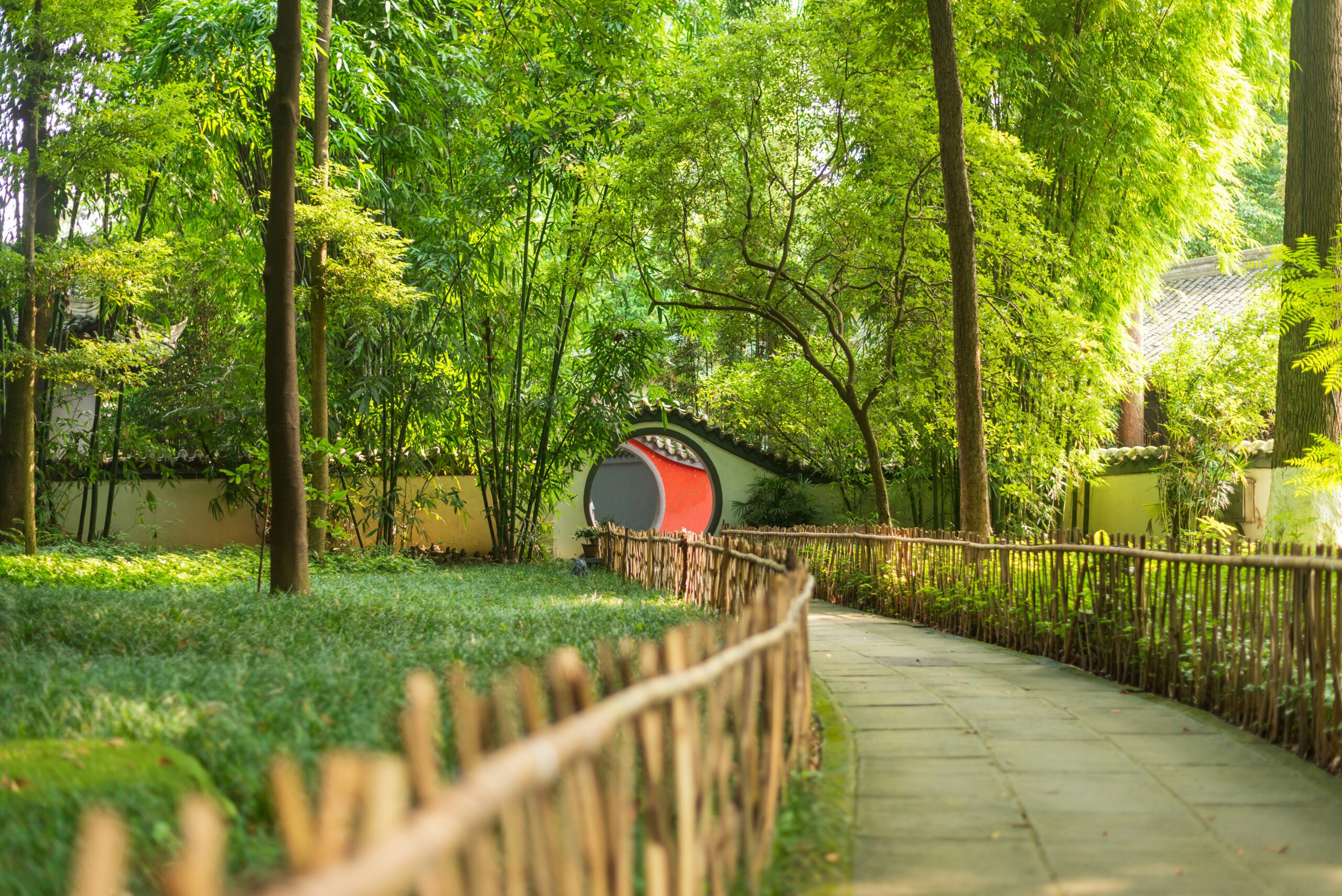
Chengdu is the relaxed cultural capital of Sichuan, celebrated for its teahouses, historic lanes, refined cuisine, and beloved giant pandas. Its unhurried atmosphere makes an elegant introduction to western China.
Overnight: Chengdu
Day 2
Chengdu is the relaxed cultural capital of Sichuan, celebrated for its teahouses, historic lanes, refined cuisine, and beloved giant pandas. Its unhurried atmosphere makes an elegant introduction to western China. Mugecuo is a dramatic alpine landscape of crystalline lakes, forested valleys, hot springs, waterfalls, and snow-dusted peaks. The scenery marks a beautiful transition from the Sichuan Basin toward the Tibetan Plateau. Kangding has long been a gateway between Sichuan and the Tibetan world, historically linked to the Ancient Tea Horse Road. Set among steep mountains and rushing rivers, it offers the first strong sense of entering Kham.
Overnight: Kangding
Day 3
Kangding has long been a gateway between Sichuan and the Tibetan world, historically linked to the Ancient Tea Horse Road. Set among steep mountains and rushing rivers, it offers the first strong sense of entering Kham. Zheduo Mountain is one of the great high passes of western Sichuan, opening onto broad plateau scenery and Tibetan pastoral country. From the pass, the landscape expands into grasslands, villages, distant peaks, and immense skies. Xinduqiao is renowned for luminous highland scenery—rivers, meadows, poplar-lined roads, traditional Tibetan homes, and mountain backdrops. It is especially photogenic in the soft morning and late-afternoon light.
Overnight: Yajiang
Day 4
Yajiang is a small mountain town tucked into the deep valleys of western Sichuan. It serves as a comfortable staging point on the overland journey toward the higher landscapes of Kham. Set above 4,000 meters, Litang is one of the highest towns on the Tibetan Plateau and an important center of Kham culture. Its vast surrounding grasslands and strong Tibetan character make it one of the most memorable stops on the route. Daocheng is the gateway to the spectacular Yading Nature Reserve, a region of sacred snow peaks, alpine forests, clear streams, and high-country meadows. The landscape is often described as one of the most beautiful corners of western China.
Overnight: Shangri-La Town (Daocheng County)
Day 5
Daocheng is the gateway to the spectacular Yading Nature Reserve, a region of sacred snow peaks, alpine forests, clear streams, and high-country meadows. The landscape is often described as one of the most beautiful corners of western China. Yading is an extraordinary high-altitude sanctuary framed by the sacred peaks of Chenrezig, Jampelyang, and Chenadorje. Alpine meadows, forests, streams, prayer flags, and glacial scenery create a landscape of exceptional beauty.
Overnight: Shangri-La Town
Day 6
Set above 4,000 meters, Litang is one of the highest towns on the Tibetan Plateau and an important center of Kham culture. Its vast surrounding grasslands and strong Tibetan character make it one of the most memorable stops on the route. Daocheng is the gateway to the spectacular Yading Nature Reserve, a region of sacred snow peaks, alpine forests, clear streams, and high-country meadows. The landscape is often described as one of the most beautiful corners of western China. Batang sits in a broad, lower-elevation valley near the upper reaches of the Jinsha River. The surrounding grasslands and pastoral scenery provide a striking contrast to the high passes crossed earlier in the journey.
Overnight: Batang
Day 7
Batang sits in a broad, lower-elevation valley near the upper reaches of the Jinsha River. The surrounding grasslands and pastoral scenery provide a striking contrast to the high passes crossed earlier in the journey. Markam marks the transition into the Tibet Autonomous Region and lies amid some of the most dramatic canyon country on the route. Here, major rivers cut deeply through the eastern edge of the plateau. Zogang is surrounded by rugged red-brown valleys, high mountain passes, and the sweeping landscapes of eastern Tibet. The journey here showcases the scale and remoteness of the Sichuan–Tibet Highway.
Day 8
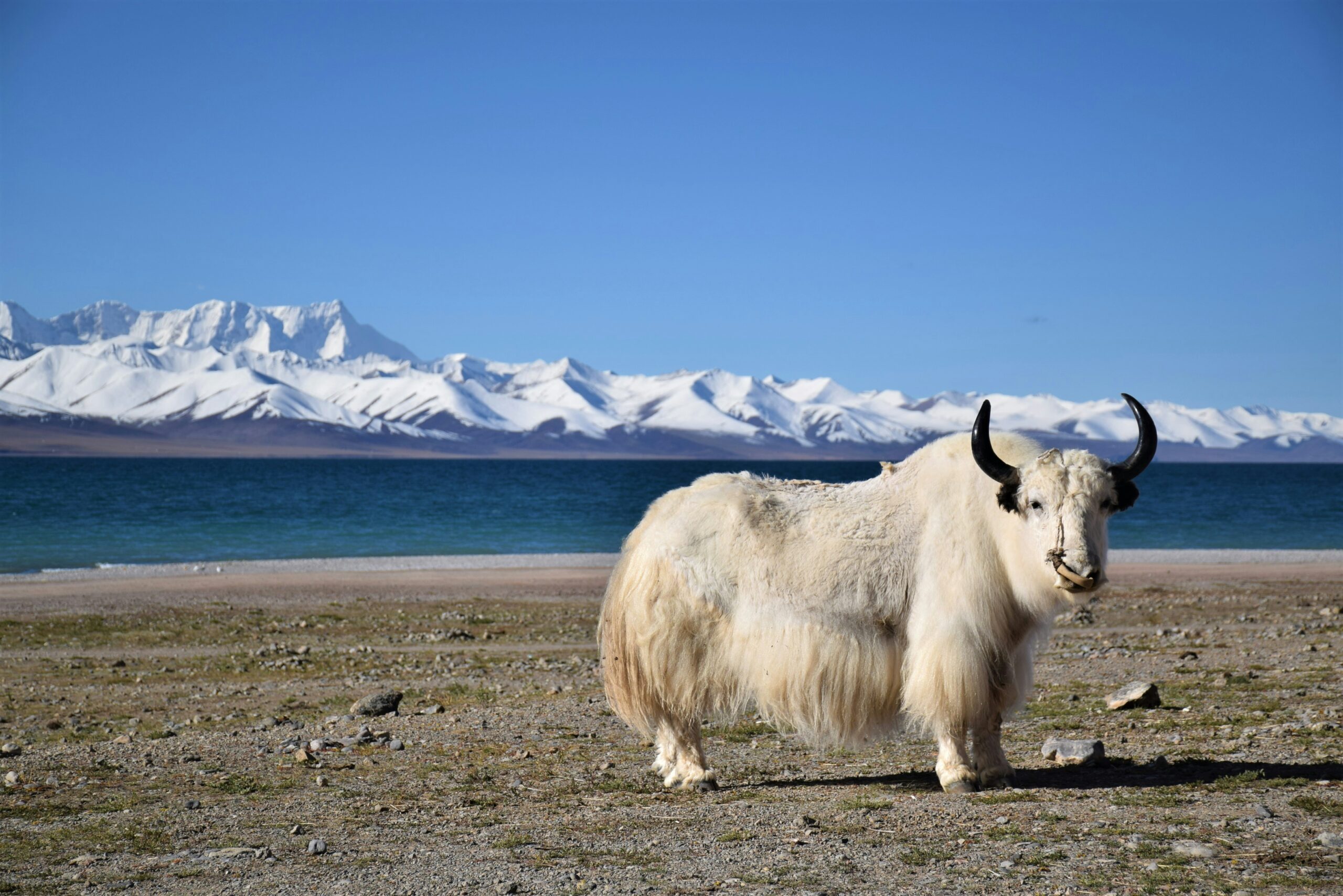
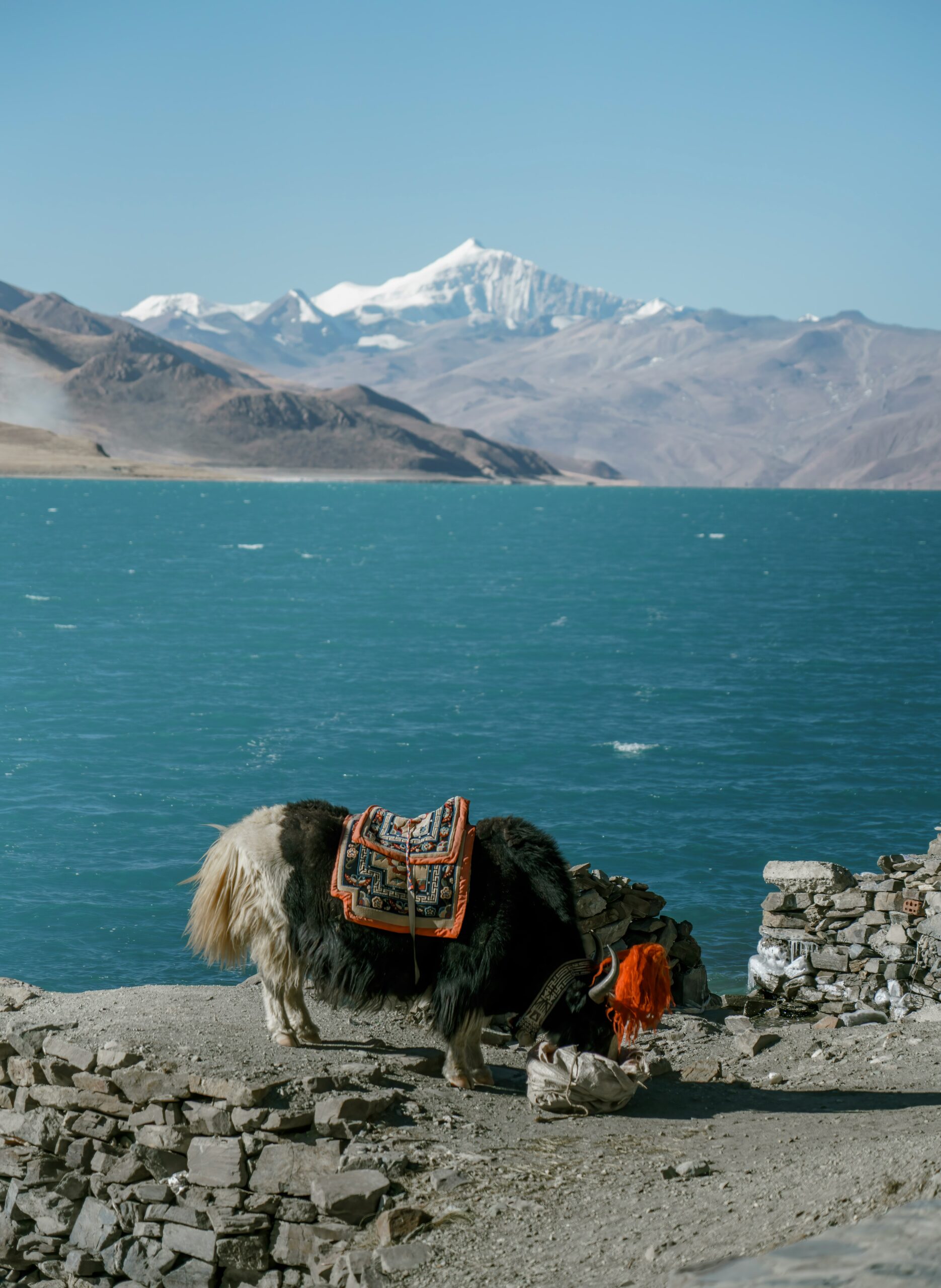
Zogang is surrounded by rugged red-brown valleys, high mountain passes, and the sweeping landscapes of eastern Tibet. The journey here showcases the scale and remoteness of the Sichuan–Tibet Highway. Bangda is known for its expansive highland grasslands, where yaks and sheep graze beneath enormous skies. It is also the approach to one of the most dramatic descents on the G318 highway. Ranwu Lake is one of eastern Tibet’s most beautiful alpine lakes, bordered by forests, villages, meadows, and snow-covered mountains. Its tranquil blue water creates a serene setting at the end of a dramatic day’s drive.
Overnight: by the lake
Day 9
Midui Glacier descends dramatically from high Himalayan peaks toward forest and lake country below. The contrast of brilliant ice, dark forest, and blue water makes this one of eastern Tibet’s most striking natural landscapes. Bome is a lush, surprisingly green corner of eastern Tibet, known for forests, river valleys, and nearby glaciers. Its softer landscape offers a refreshing contrast to the stark high plateau. Ranwu Lake is one of eastern Tibet’s most beautiful alpine lakes, bordered by forests, villages, meadows, and snow-covered mountains. Its tranquil blue water creates a serene setting at the end of a dramatic day’s drive.
Overnight: Bome
Day 10
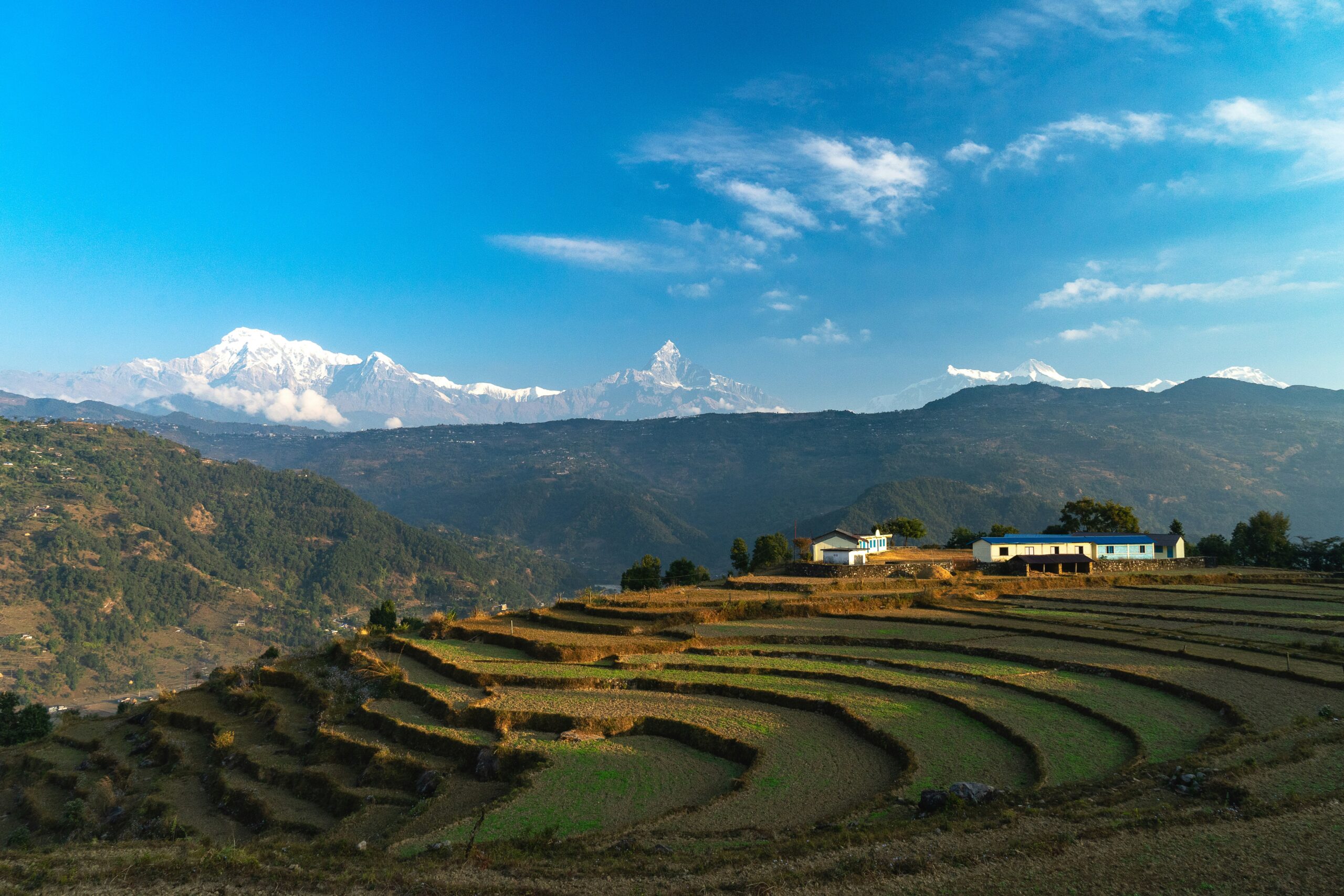
Bome is a lush, surprisingly green corner of eastern Tibet, known for forests, river valleys, and nearby glaciers. Its softer landscape offers a refreshing contrast to the stark high plateau. Lulang is a beautiful alpine valley of spruce forest, pastureland, Tibetan villages, and snow peaks. The region is often admired for its almost pastoral, storybook quality. Nyingchi is one of Tibet’s greenest regions, where deep river valleys and forested mountains meet the eastern Himalayas. Its lower altitude and lush scenery make it a gentle transition toward central Tibet.
Overnight: Nyiching City (Bayi Town)
Meals: B
Day 11
Nyingchi is one of Tibet’s greenest regions, where deep river valleys and forested mountains meet the eastern Himalayas. Its lower altitude and lush scenery make it a gentle transition toward central Tibet. Basum Tso is a jewel-toned sacred lake surrounded by forested mountains and snow peaks. Its quiet shores and small island monastery create one of the most peaceful landscapes in eastern Tibet. Lhasa is Tibet’s historic and spiritual capital, where monumental palaces and monasteries stand alongside a living culture of pilgrimage and devotion. Time here reveals both the grandeur of Tibetan history and the intimate rhythms of everyday life.
Overnight: Lhasa
Day 12
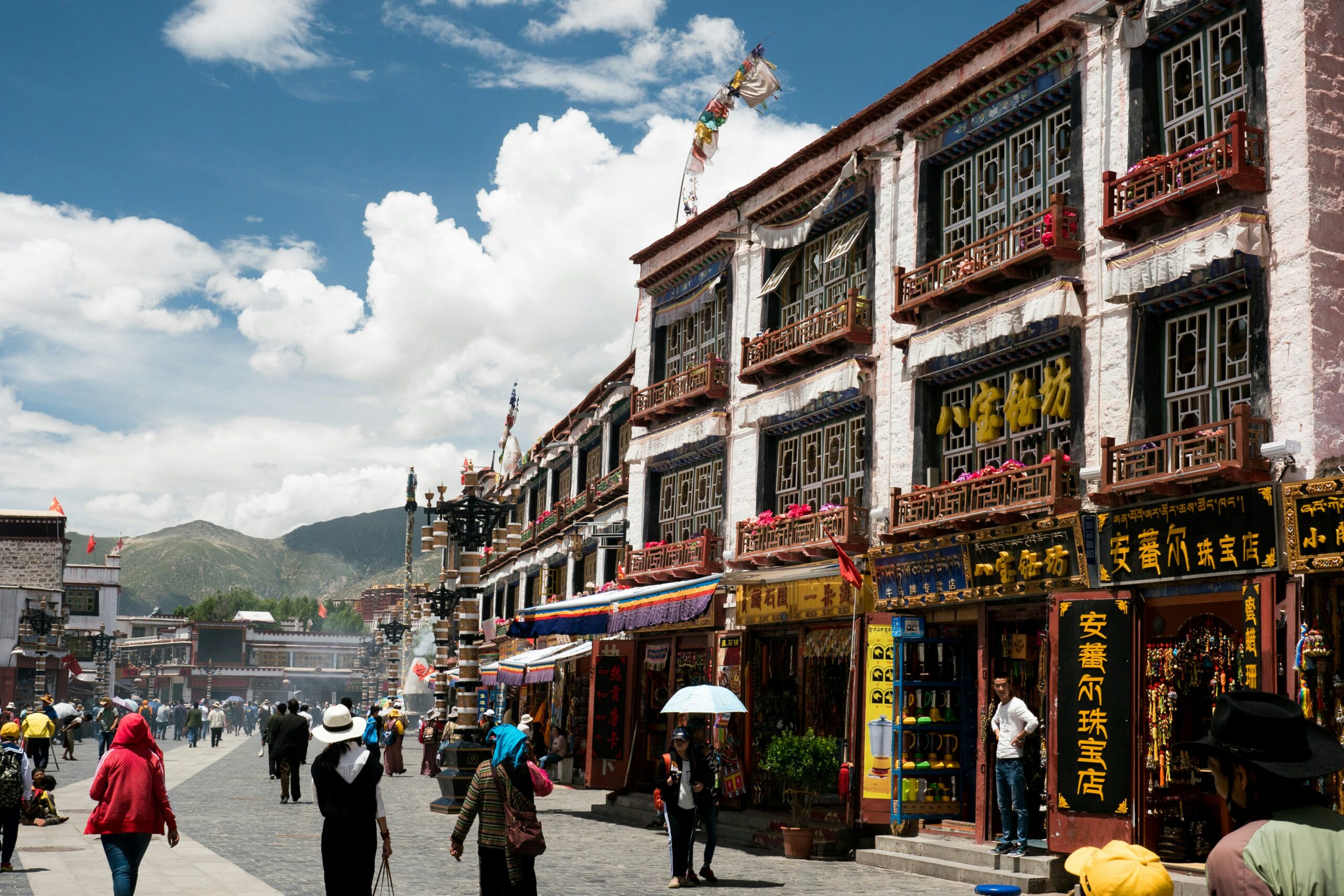
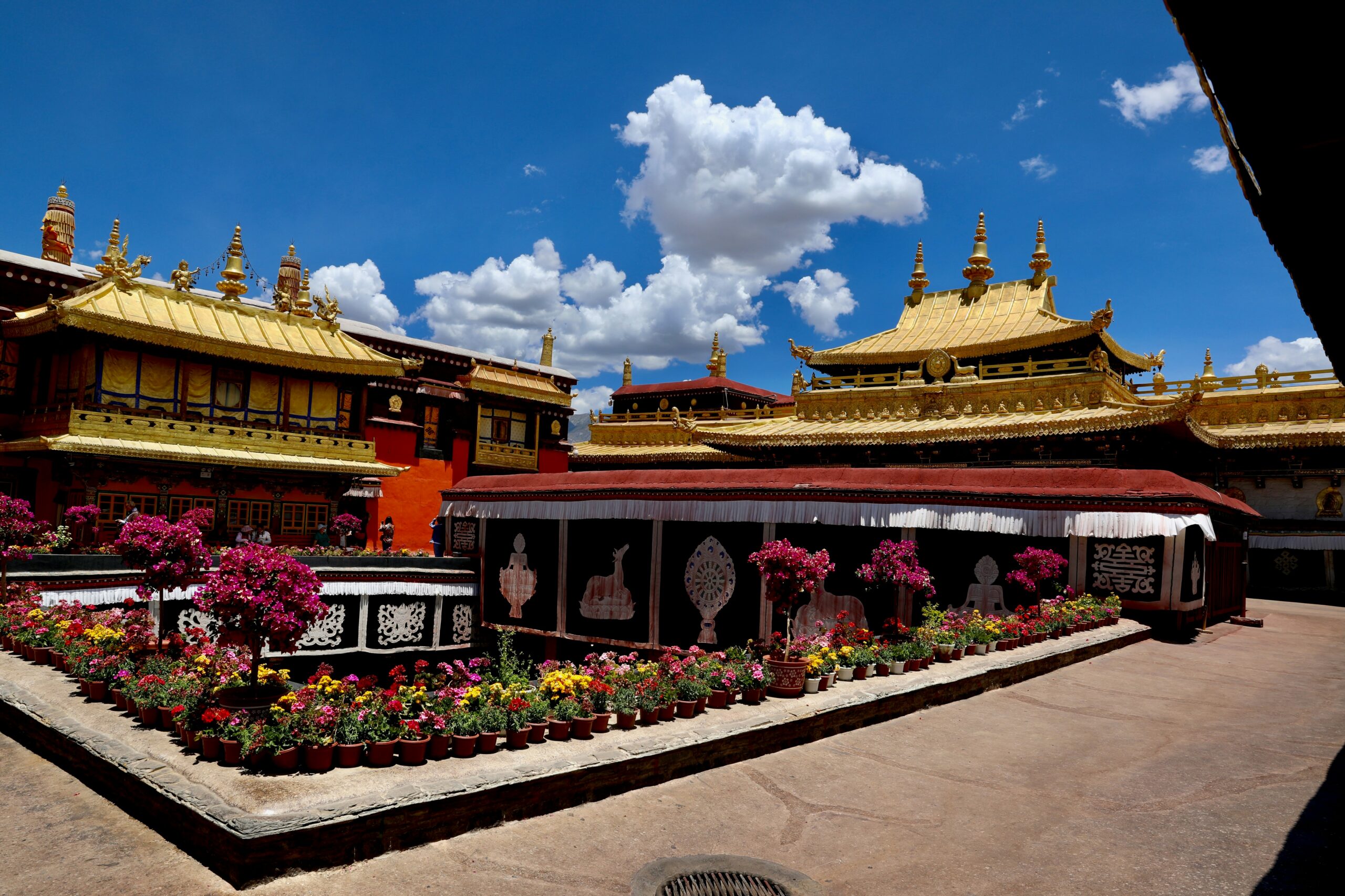
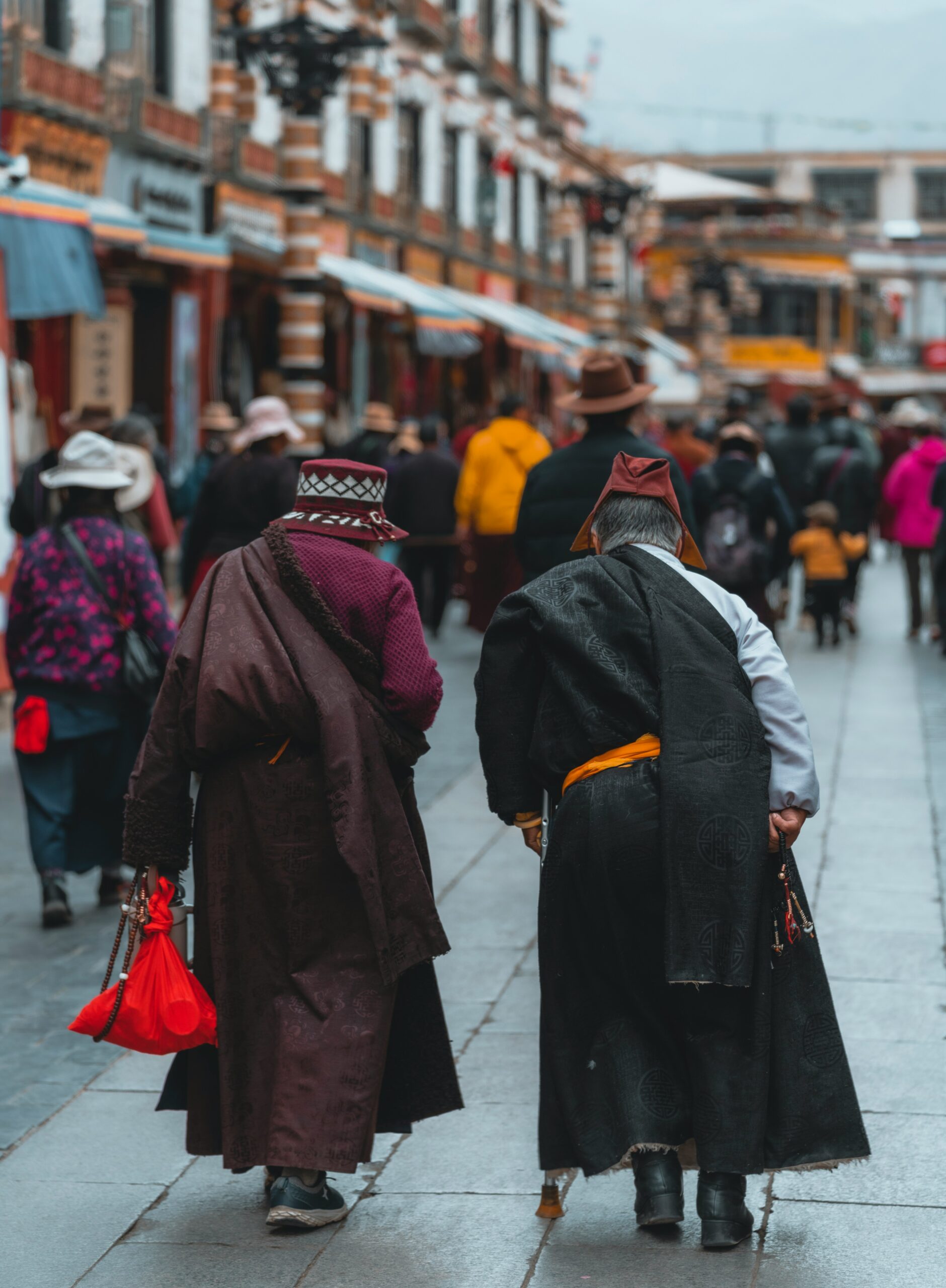
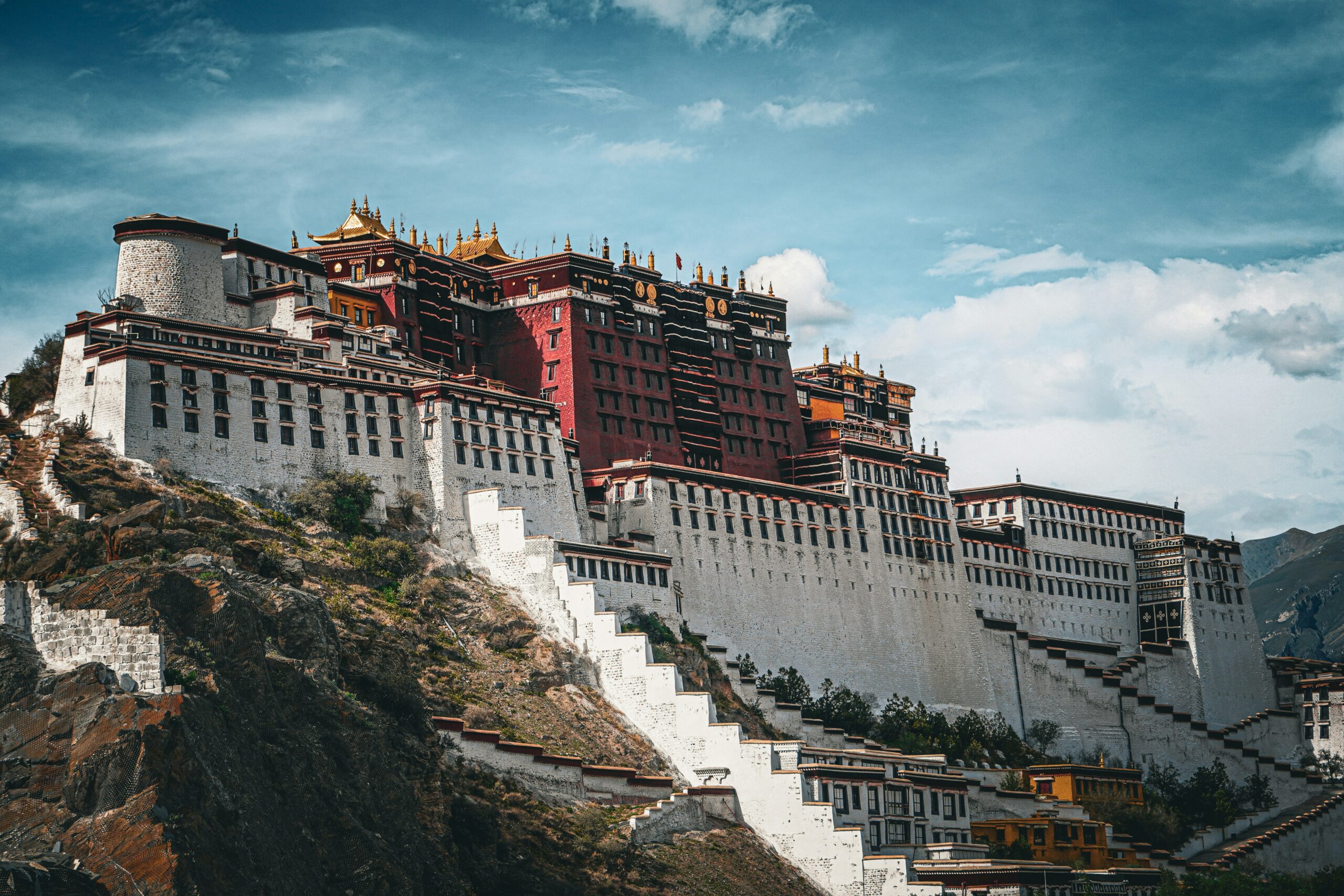
Lhasa is Tibet’s historic and spiritual capital, where monumental palaces and monasteries stand alongside a living culture of pilgrimage and devotion. Time here reveals both the grandeur of Tibetan history and the intimate rhythms of everyday life. The Potala Palace rises above Lhasa as the defining architectural symbol of Tibet. Its chapels, ceremonial halls, murals, sacred objects, and panoramic views offer an extraordinary introduction to Tibetan history and religion. The Jokhang Temple is the spiritual heart of Lhasa and one of the most revered pilgrimage destinations in Tibetan Buddhism. Outside, pilgrims move continuously along the Barkhor kora, creating one of Tibet’s most compelling cultural experiences.
Overnight: Lhasa
Day 13
Lhasa is Tibet’s historic and spiritual capital, where monumental palaces and monasteries stand alongside a living culture of pilgrimage and devotion. Time here reveals both the grandeur of Tibetan history and the intimate rhythms of everyday life. Gyantse is one of Tibet’s best-preserved historic towns, surrounded by fertile barley fields and overlooked by its imposing dzong. Its great Kumbum chorten and Pelkor Chode Monastery preserve exceptional examples of Tibetan religious art. Shigatse is Tibet’s second-largest city and the traditional seat of the Panchen Lamas. Tashilhunpo Monastery remains its cultural centerpiece, with grand halls, gilded roofs, and an active monastic community.
Overnight: Shigatse
Day 14
Lhasa is Tibet’s historic and spiritual capital, where monumental palaces and monasteries stand alongside a living culture of pilgrimage and devotion. Time here reveals both the grandeur of Tibetan history and the intimate rhythms of everyday life. Shigatse is Tibet’s second-largest city and the traditional seat of the Panchen Lamas. Tashilhunpo Monastery remains its cultural centerpiece, with grand halls, gilded roofs, and an active monastic community.
Overnight: Lhasa
Day 15
Lhasa is Tibet’s historic and spiritual capital, where monumental palaces and monasteries stand alongside a living culture of pilgrimage and devotion. Time here reveals both the grandeur of Tibetan history and the intimate rhythms of everyday life.
Price Includes
Your Tibetan Trails journey is designed to provide a seamless and authentic travel experience across the Tibetan Plateau. The tour price includes:
- Accommodation in carefully selected Tibetan boutique hotels, guesthouses, or luxury lodges throughout the itinerary.
- For trekking and backpacking expeditions, all camping arrangements including tents, cooking equipment, pack animals (horses or yaks where required), and support staff. Guests are welcome to bring their own sleeping bag and sleeping pad, though these can also be provided upon request.
- Cultural experiences and nomadic activities as outlined in the itinerary.
- All meals during the tour, typically beginning with lunch or dinner on the first day and continuing through the conclusion of the trip. (Many other travel agencies cut out lunch and dinner for guests to make the prices seem lower, but we believe every traveler should experience the true culinary richness of Tibet and include a generous food budget inside our tours).
- One professional English-speaking Tibetan guide throughout the journey. Our guides have over 15 years of experience with foreigners.
- Private transportation in a comfortable van, SUV, or bus, including all ground transportation specified in the itinerary.
- All entrance fees and permits for attractions, monasteries, parks, and sites included in the itinerary.
- Accommodation and meals for guides, drivers, and support staff.
- Local mountain guides where required for specific trekking routes.
- All required travel permits, legal paperwork, and group insurance required for travel within Tibetan regions.
- Unlimited bottled drinking water throughout the tour.
Price Excludes
The following items are not included in the tour price:
- International or domestic flights and train tickets.
- Personal travel insurance. We require all travelers to obtain their own travel insurance for the duration of their trip. We recommend purchasing coverage through World Nomads or a comparable provider.
- Visa fees, passport fees, and any related travel documentation costs.
- Optional activities or excursions not specifically listed in the itinerary.
- Alcoholic beverages, specialty drinks, and personal snacks.
- Gratuities for guides, drivers, and support staff (recommended for excellent service).
- Personal expenses such as laundry, souvenirs, and telephone charges.
- Costs resulting from itinerary changes, flight delays, weather conditions, altitude-related issues, government restrictions, natural disasters, or other force majeure events beyond our control.