Lhasa to Mount Everest Base Camp
Lhasa to Mount Everest Base Camp
As the world’s highest mountain, Mount Everest has become an icon of both fame and mysticism.
But where exactly is this place and what does it really take to travel there?
Find out what it is like to travel to the Tibet side of Everest Base Camp in this in depth tour of the Himalayas.
Trip Details
- Trip Duration
- 8 day
- Group Size
- 2-8
- Trip Type
- Hiking
- Trip Location
- Central Tibet
As the world’s highest mountain, Mount Everest has become an icon of both fame and mysticism.
But where exactly is this place and what does it really take to travel there?
Find out what it is like to travel to the Tibet side of Everest Base Camp in this in depth tour of the Himalayas.
Trip Details
- Trip Duration
- 8 day
- Group Size
- 2-8
- Trip Type
- Hiking
- Trip Location
- Central Tibet
Everest base camp refers generally to two base camps on opposite sides of Mount Everest: South Base Camp is in Nepal at an altitude of 5,364 metres (17,598 ft) (28°0′26″N 86°51′34″E), while North Base Camp is in Tibet, China at 5,150 metres (16,900 ft) (28°8′29″N 86°51′5″E).
The base camps are rudimentary campsites on Mount Everest that are used by mountain climbers during their ascent and descent; they are also visited by tourists. South Base Camp is used when climbing via the southeast ridge, while North Base Camp is used when climbing via the northeast ridge.
Supplies are shipped to the South Base Camp by porters (Kulli), and with the help of animals, usually yaks. The North Base Camp is accessed by a paved road that branches from China National Highway 318. Climbers typically rest at base camp for several days for acclimatization, to reduce the risks and severity of altitude sickness.
Now I know the reality: there are many “Everest Base Camps” for the real mountaineers and they make their way slowly up the mountain, acclimatizing at various base camps along the way. The EBC that visitors go to is simply that: a visitor’s EBC. You can see the high-tech gear of the real trekkers from afar but you’re not allowed to mingle. That said, you still reach an altitude of 5,200m (~17,000feet), so it’s nothing to be ashamed of on that end. Additionally, you have incredible views of Everest, even from the rocks behind which you relieve yourself in the morning. I’ve never had a more amazing view from my “bathroom” window.
A visit to the North Base Camp currently requires a permit from the Chinese government, on top of the permit required to visit Tibet itself. Such permits must be arranged via travel companies in Lhasa as part of a package tour that include hiring a vehicle, driver, and guide. The North Base Camp is accessed by vehicle through a 100 km road branching to the South from the Friendship Highway near Shelkar. From the Base Camp, all tourists must take the buses managed by the government to limit the traffic in the last stretch of gravel road to a marked hill at 5,200 meters above sea level just before the climbers’ camp. It is also possible to trek up from the tourist camp, but only when properly acclimatized. The “tourist Base Camp” is located about halfway between Rongbuk Monastery; the actual climbers’ Base Camp is at the foot of Rongbuk glacier.
Trip Gallery
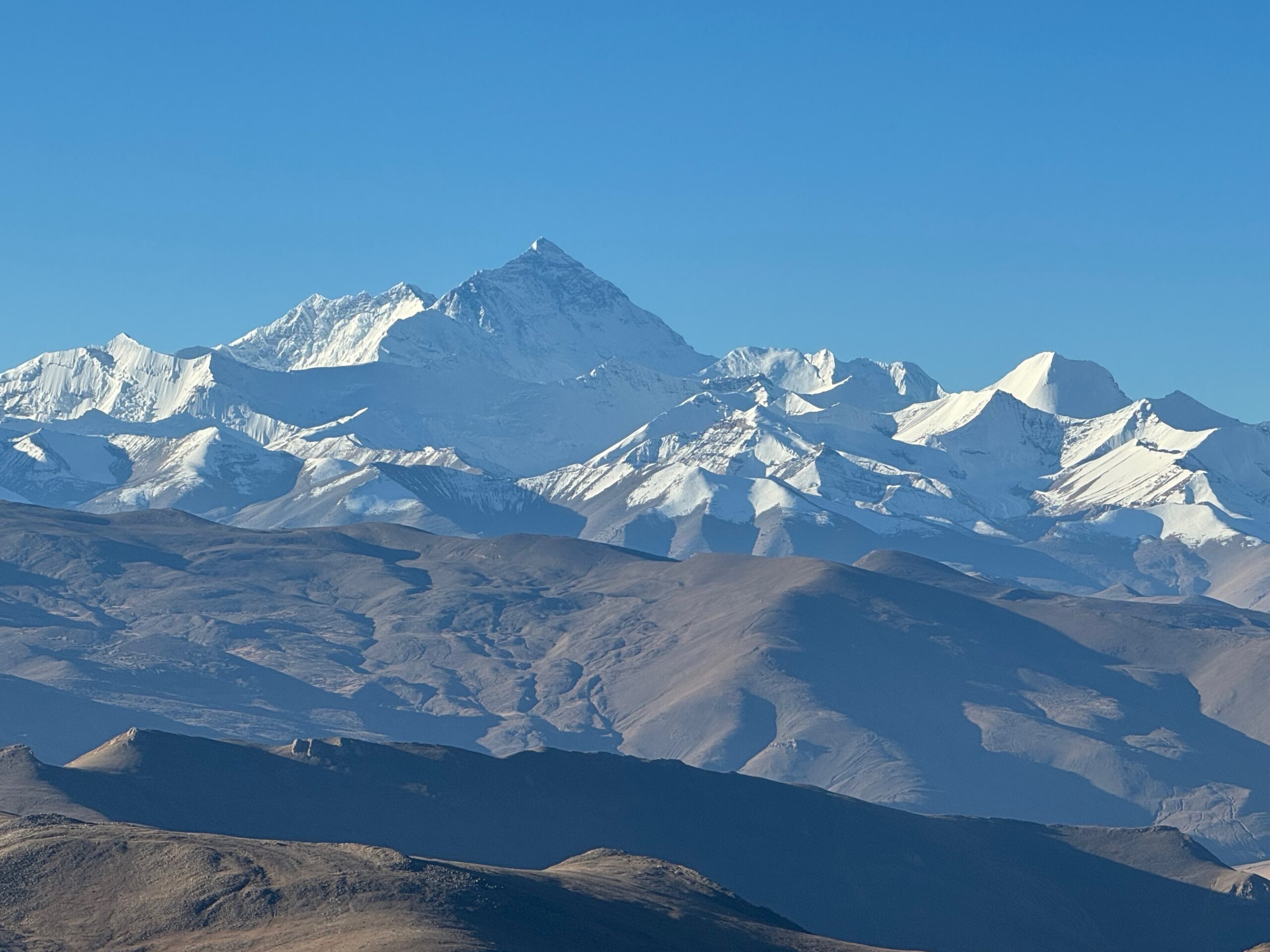
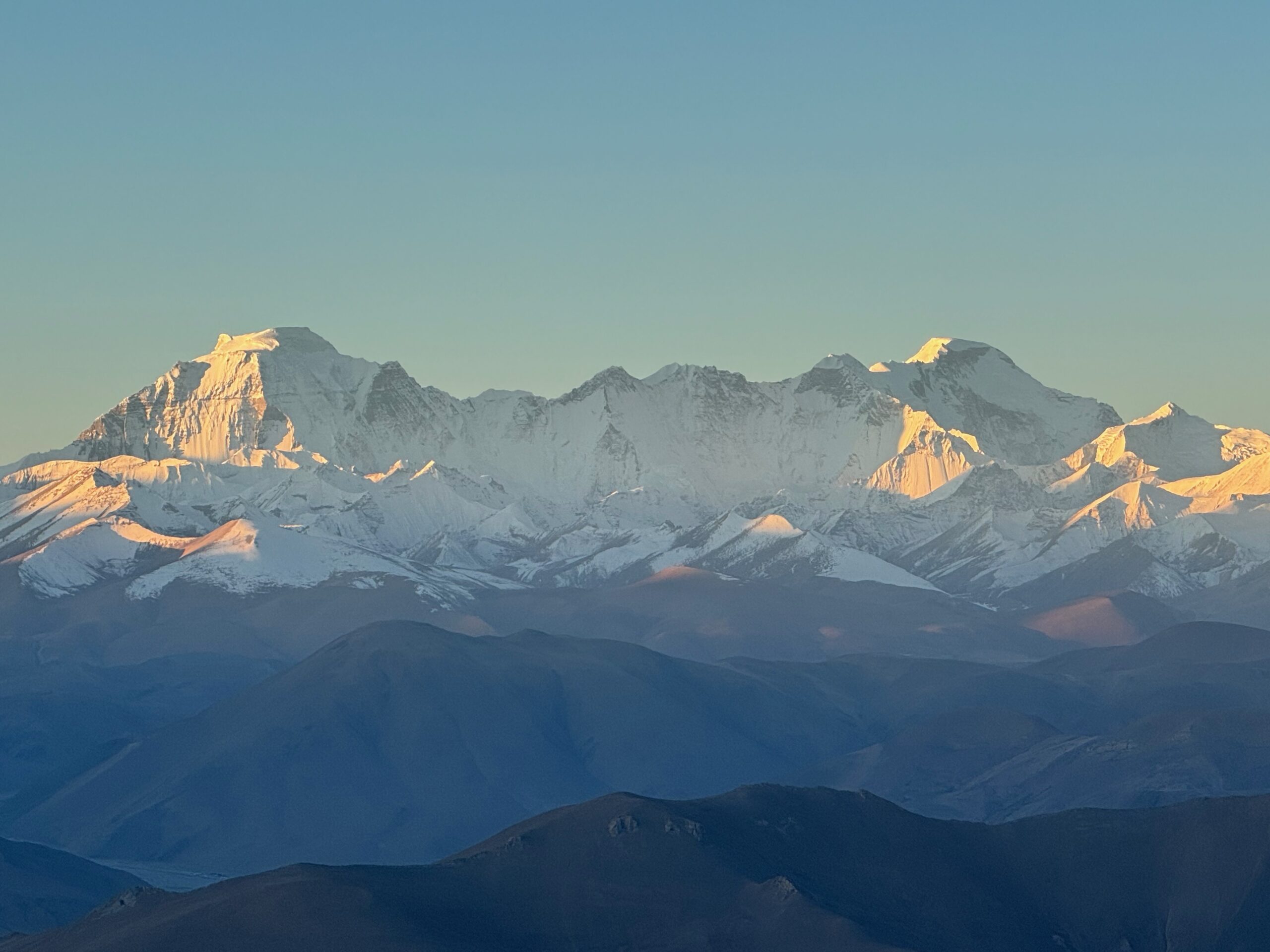
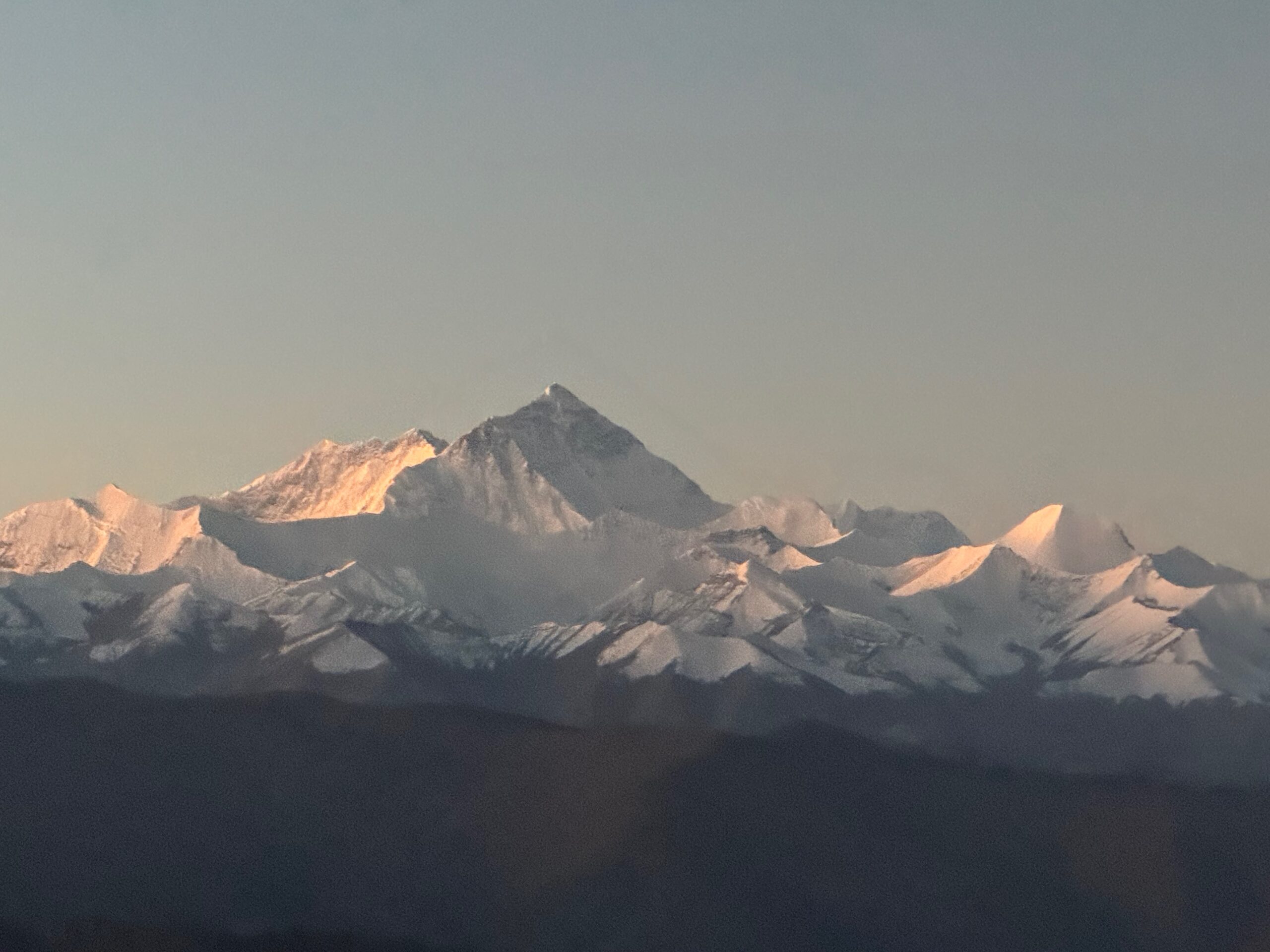
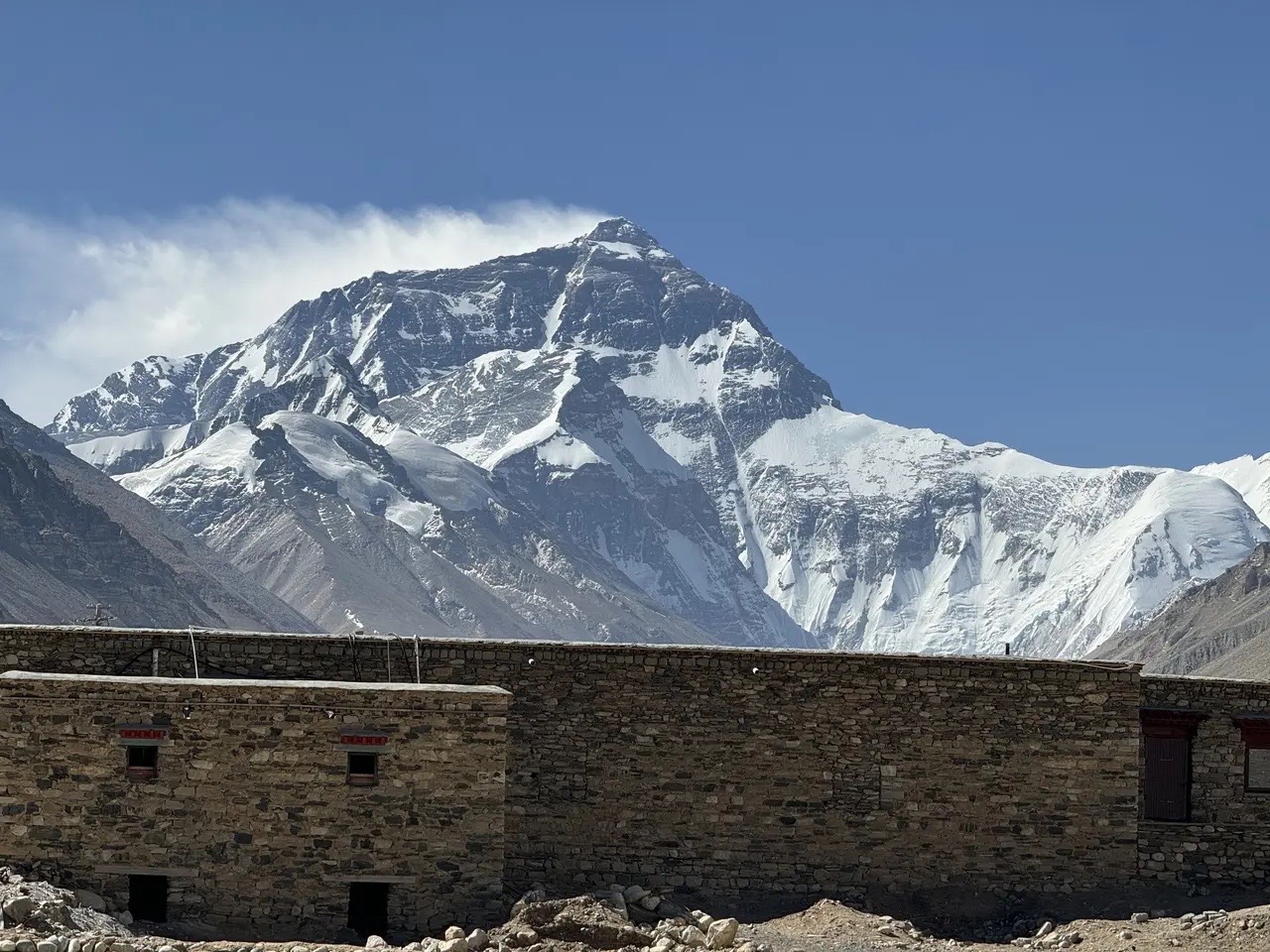
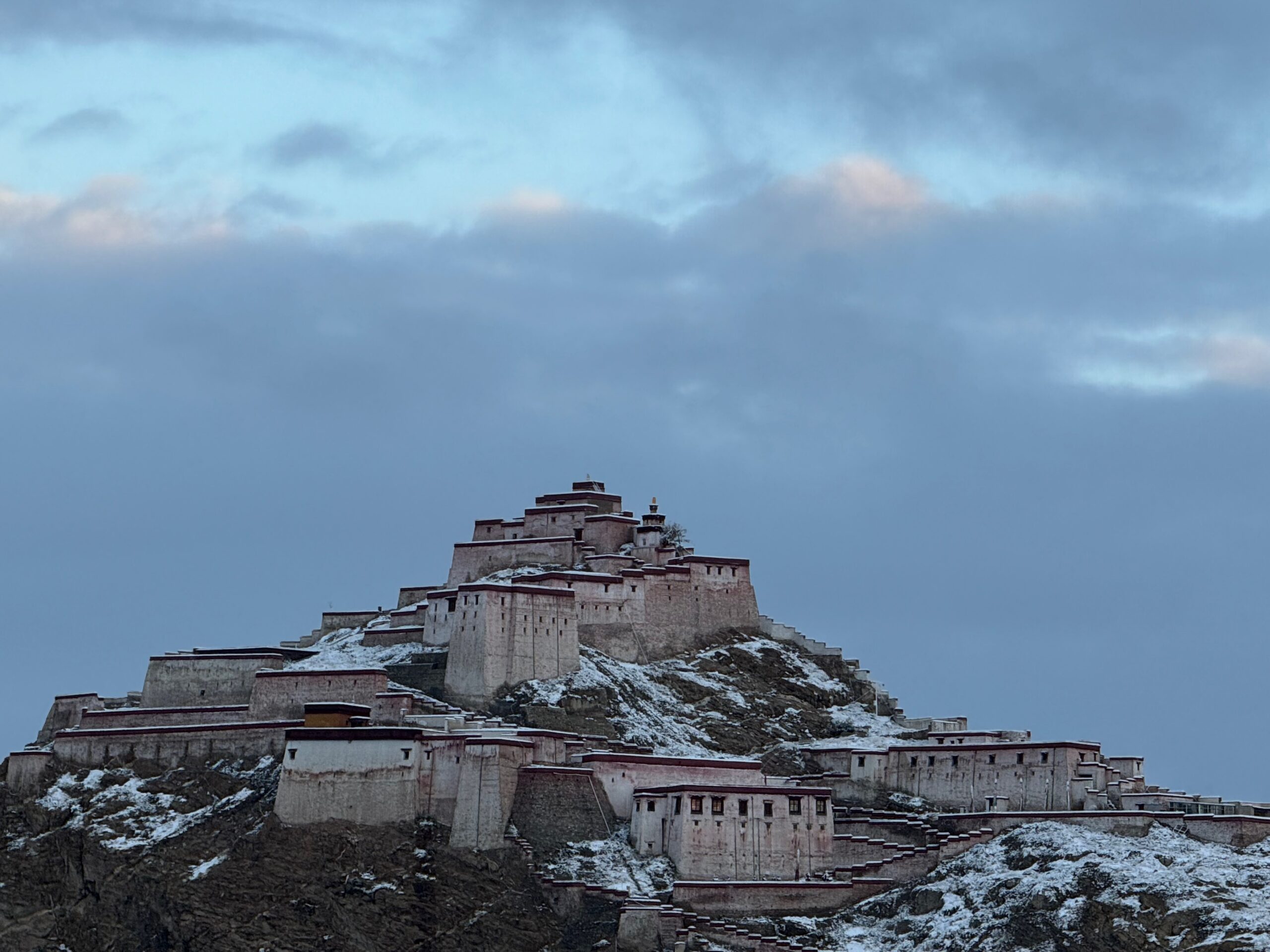
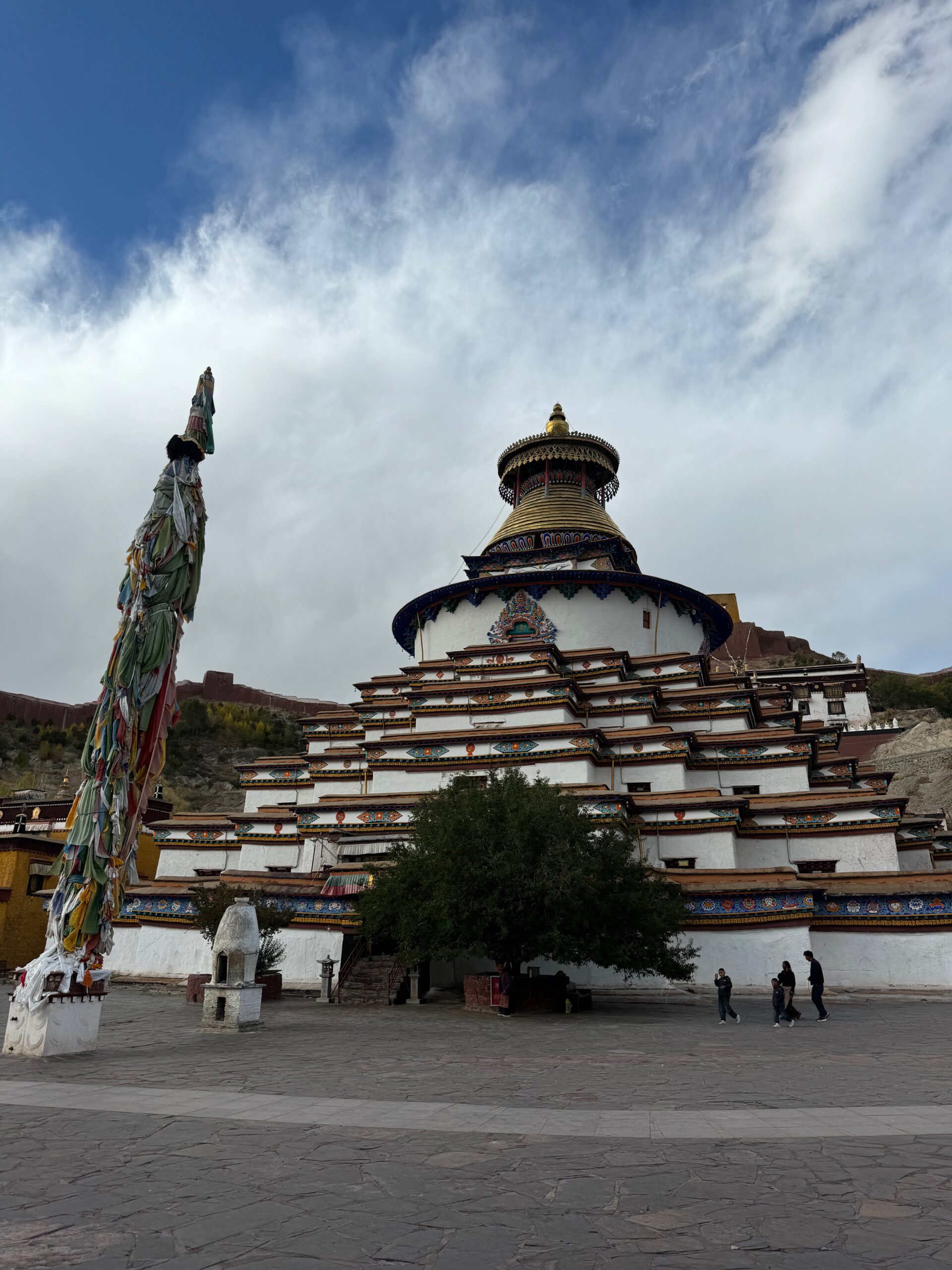
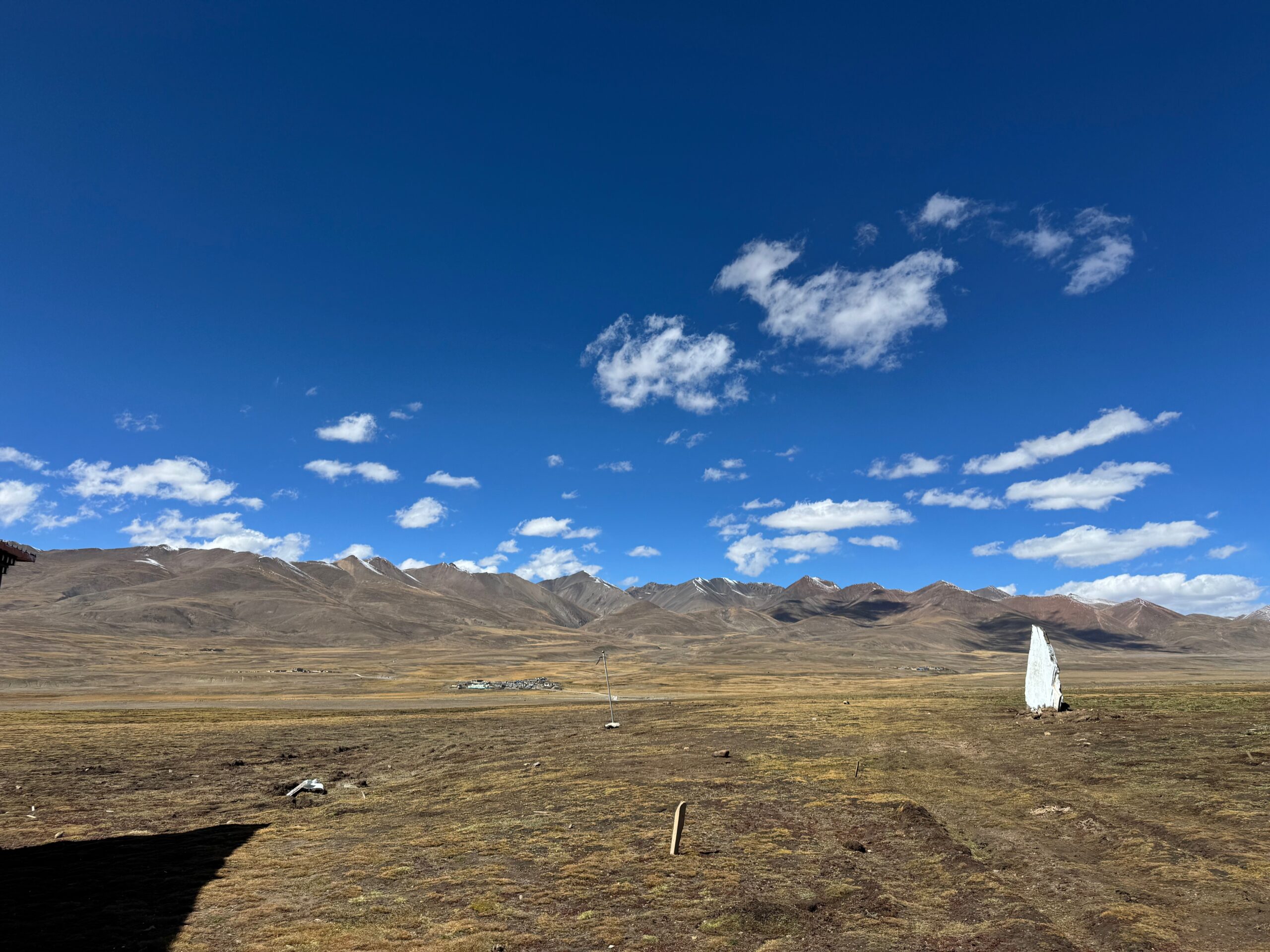
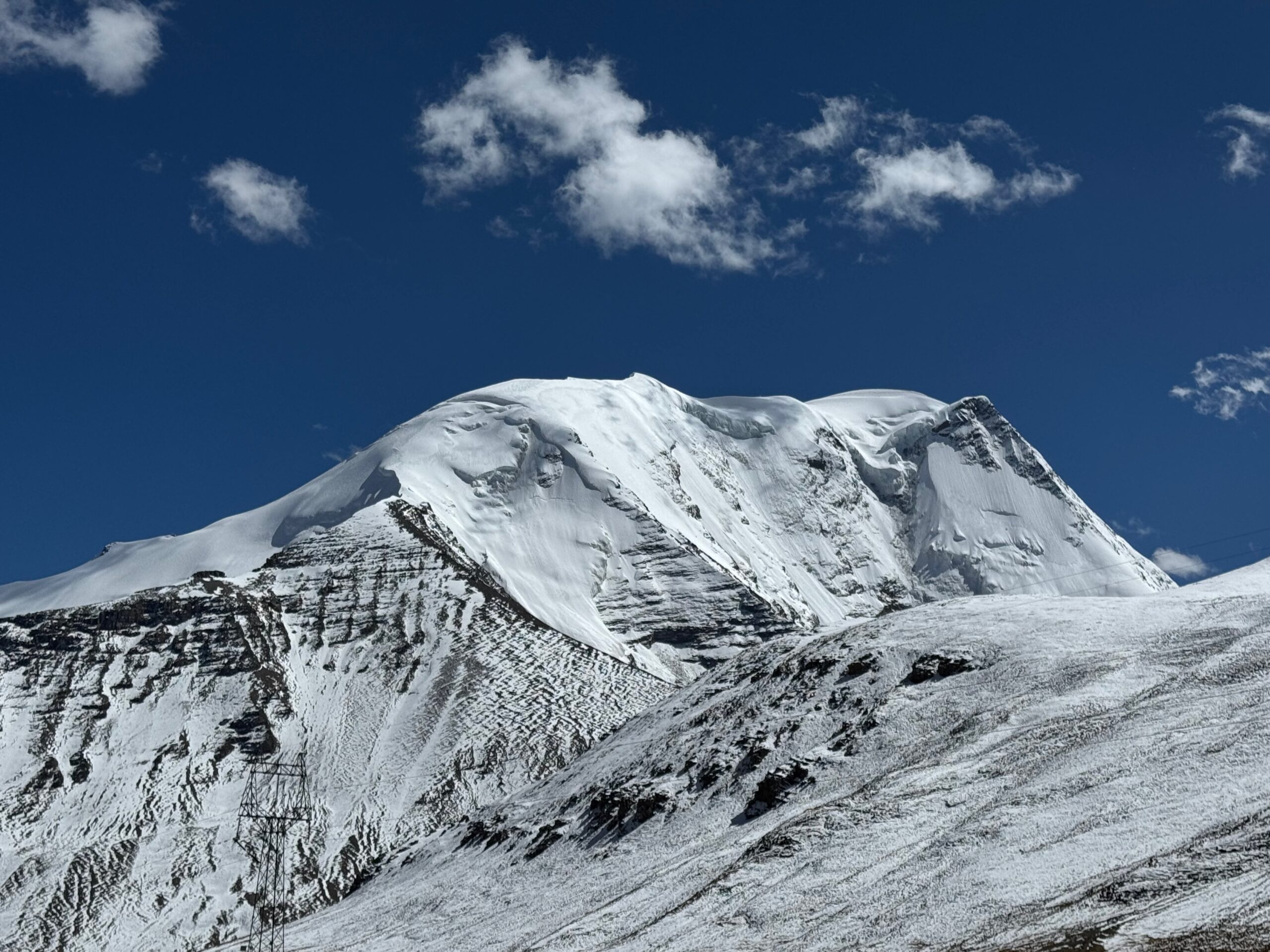
Day 1
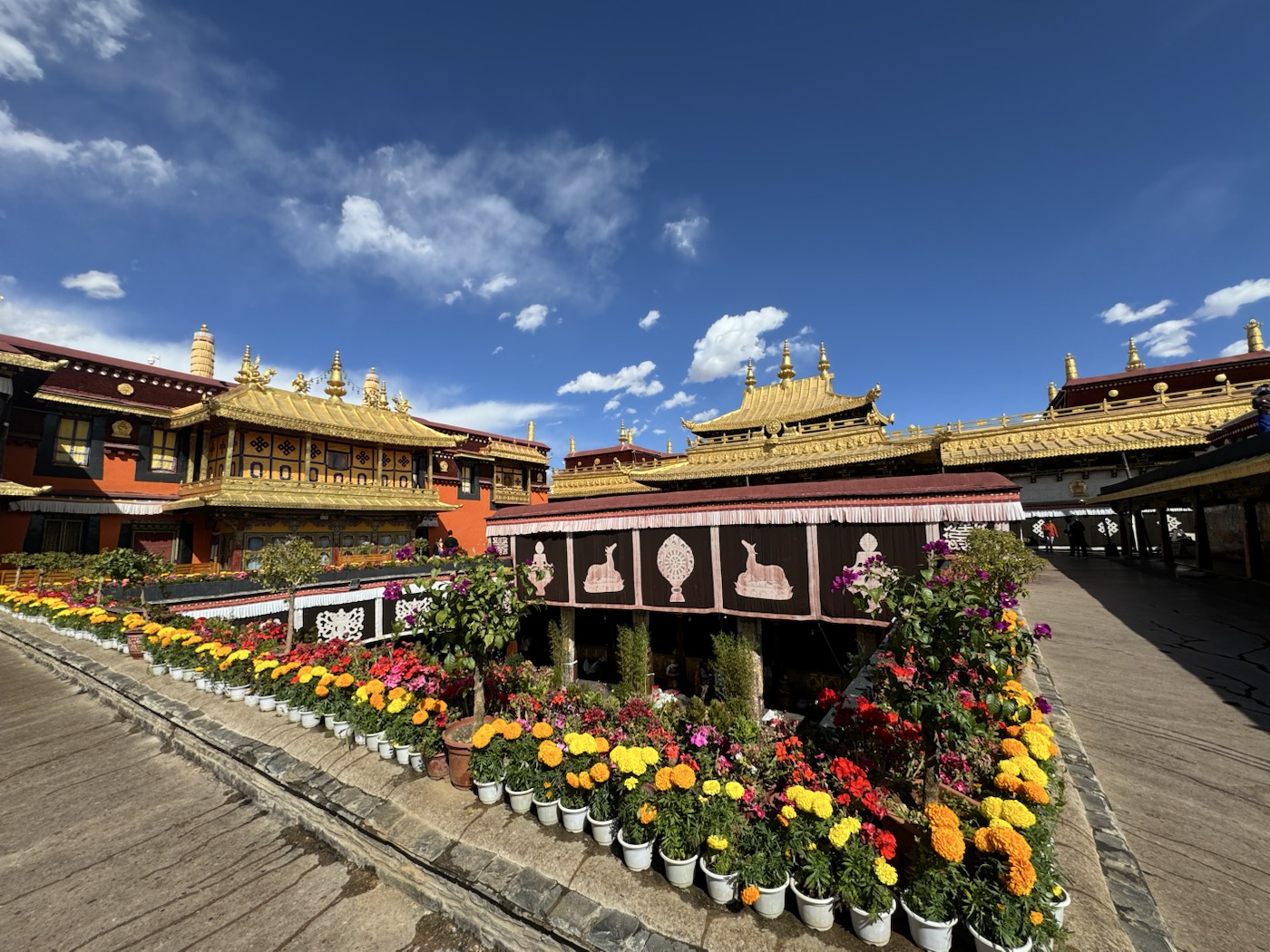
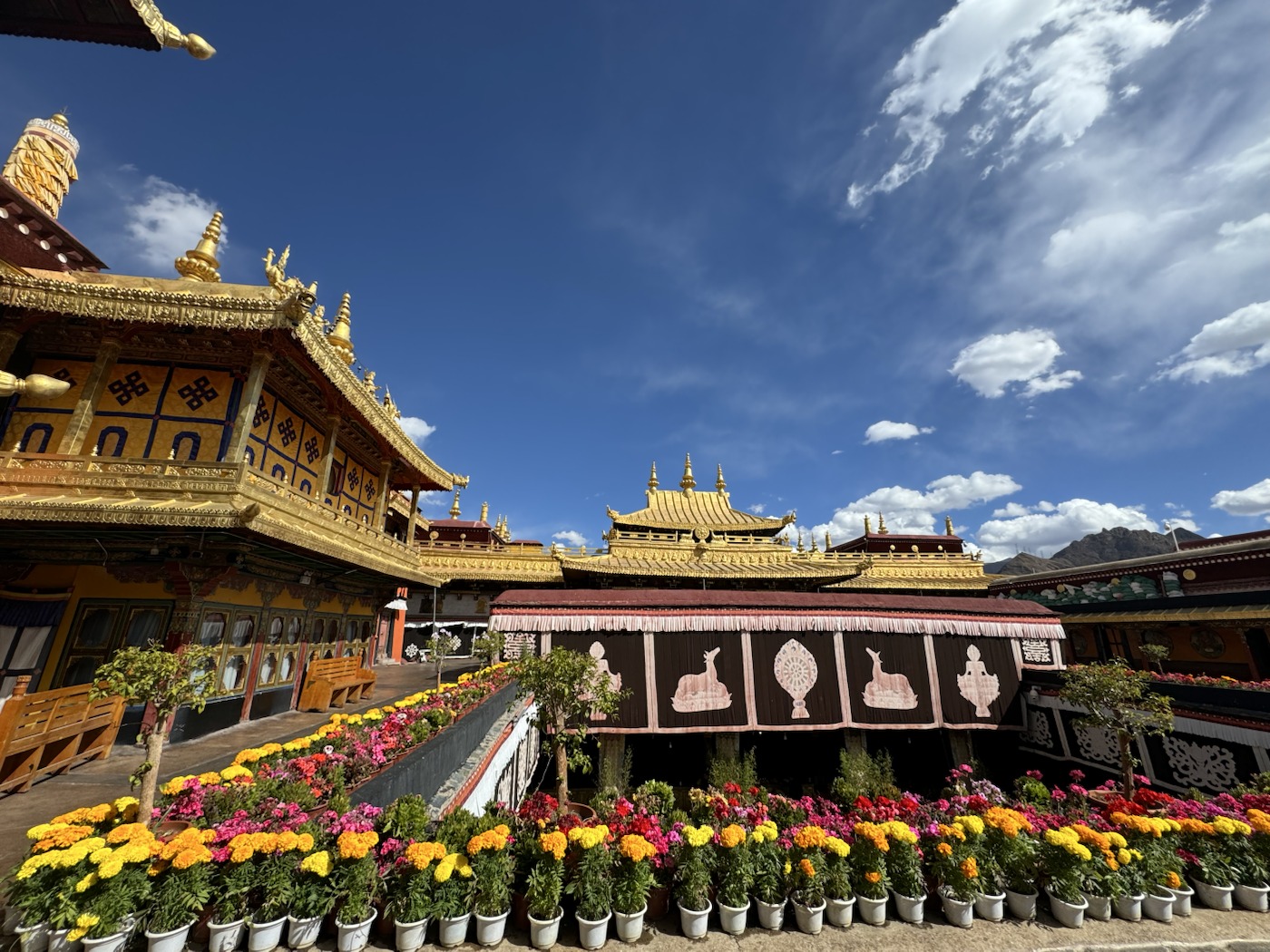
You will be met at the Lhasa airport by your Tibetan guide and transferred to the Hotel which is located in the Old Town of Lhasa, elevation 3600 meters. You can then explore the nearby Old Town of Lhasa and the markets lining the famous Barkhor Square where all the pilgrims worship and prostrate around the most holy temple of Tibet, the Jokhang Temple.
Overnight at 4 star hotel in Lhasa at 3,656 meters.
Day 2
After breakfast, you will visit the Jokhang, the holiest Buddhist temple in all of the Himalaya. Each day, many thousands of Buddhist pilgrims come here to worship. Many local nomads have traveled well over a thousand kilometers by foot to see this 1400 year old temple. After lunch, you will visit the 600 year old monastery complex of Sera. While at Sera, you canwatch the monks engage in entertaining Buddhist philosophical debates where the reverent monks passionately work out the finer points of Tibetan Buddhist philosophy. In the evening, you will have free time to wander around the old town on your own and walk with pilgrims around the Barkhor Square.
Overnight at 4 star hotel in Lhasa at 3,656 meters.
Day 3
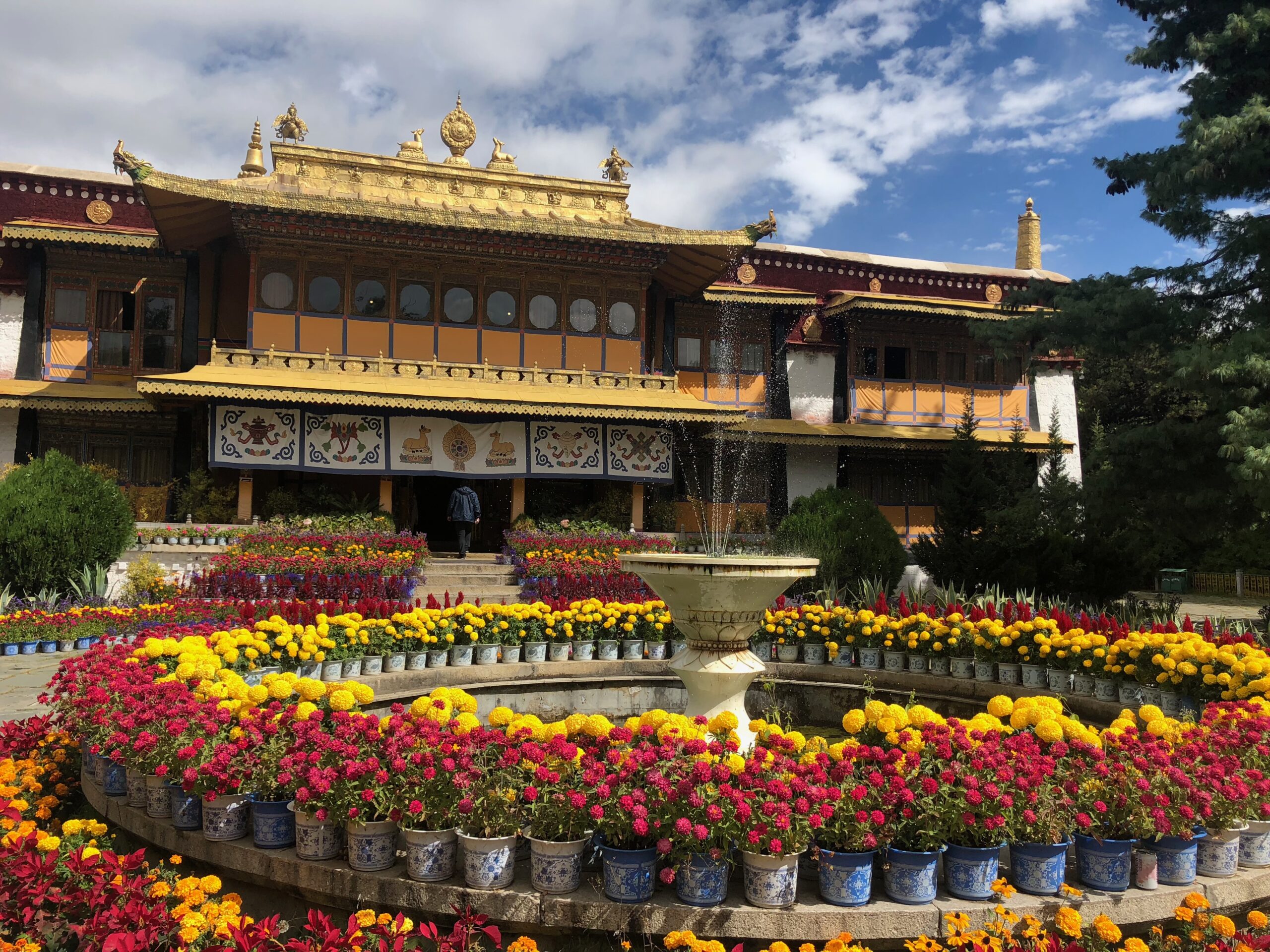
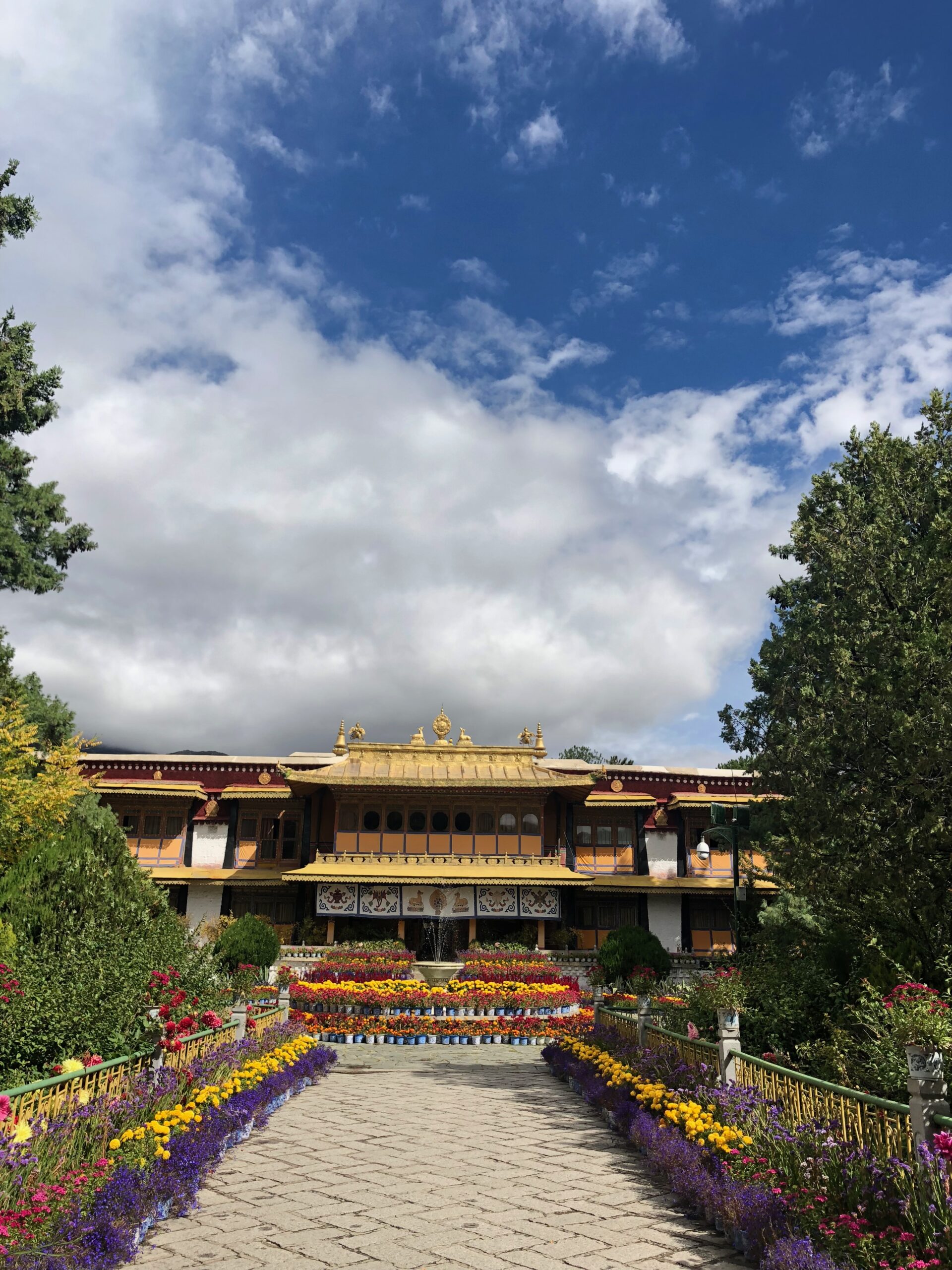
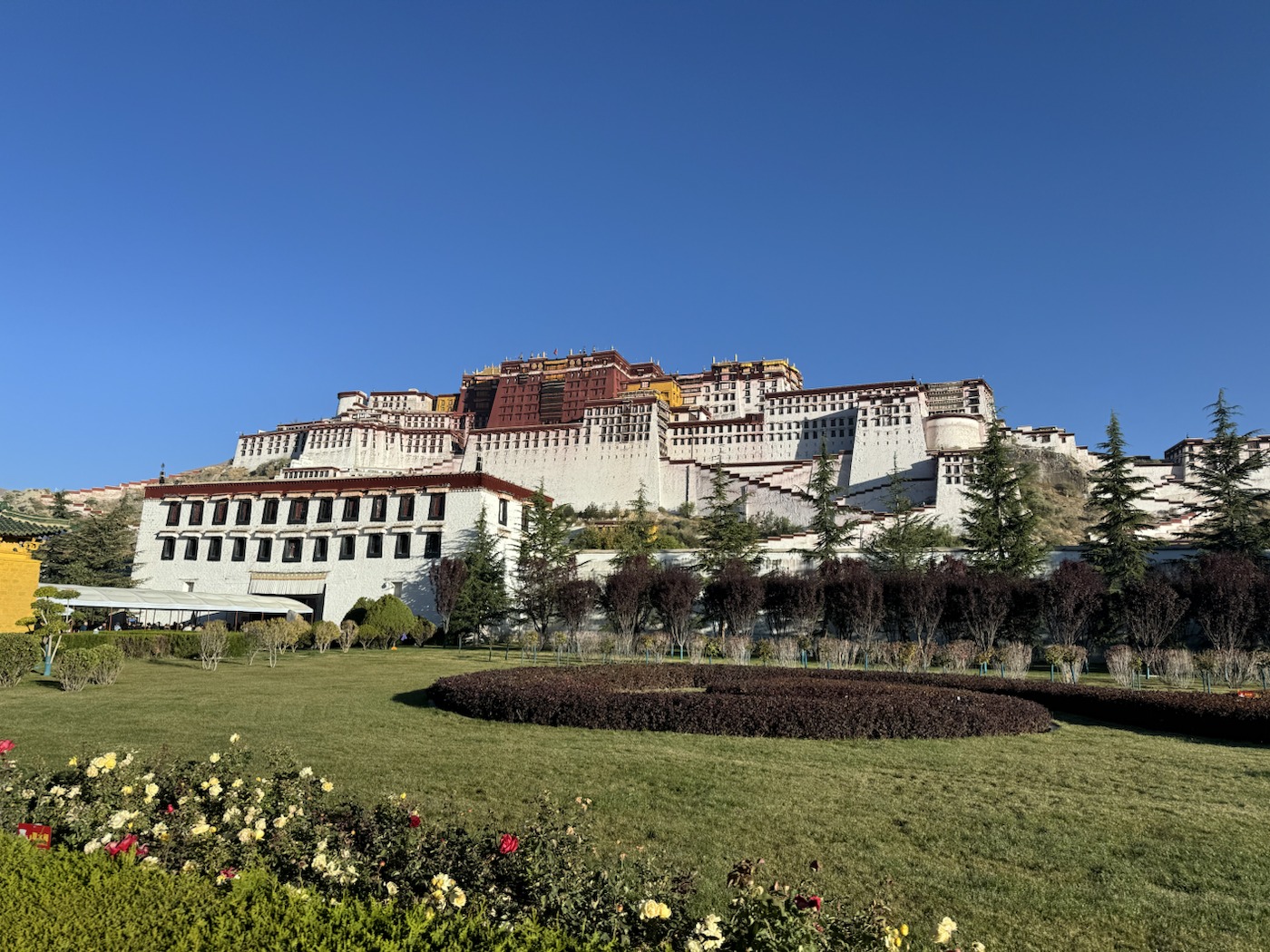
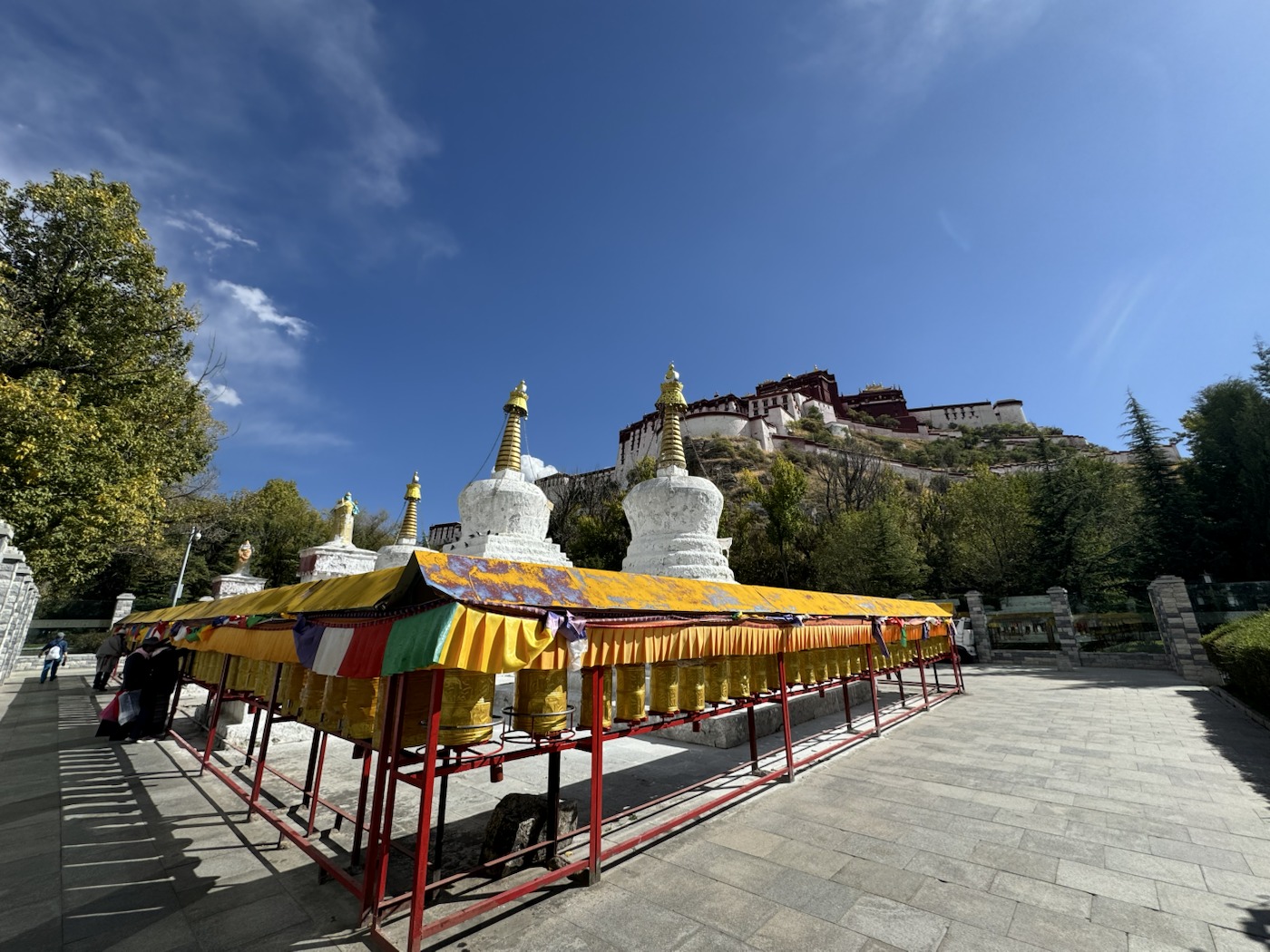
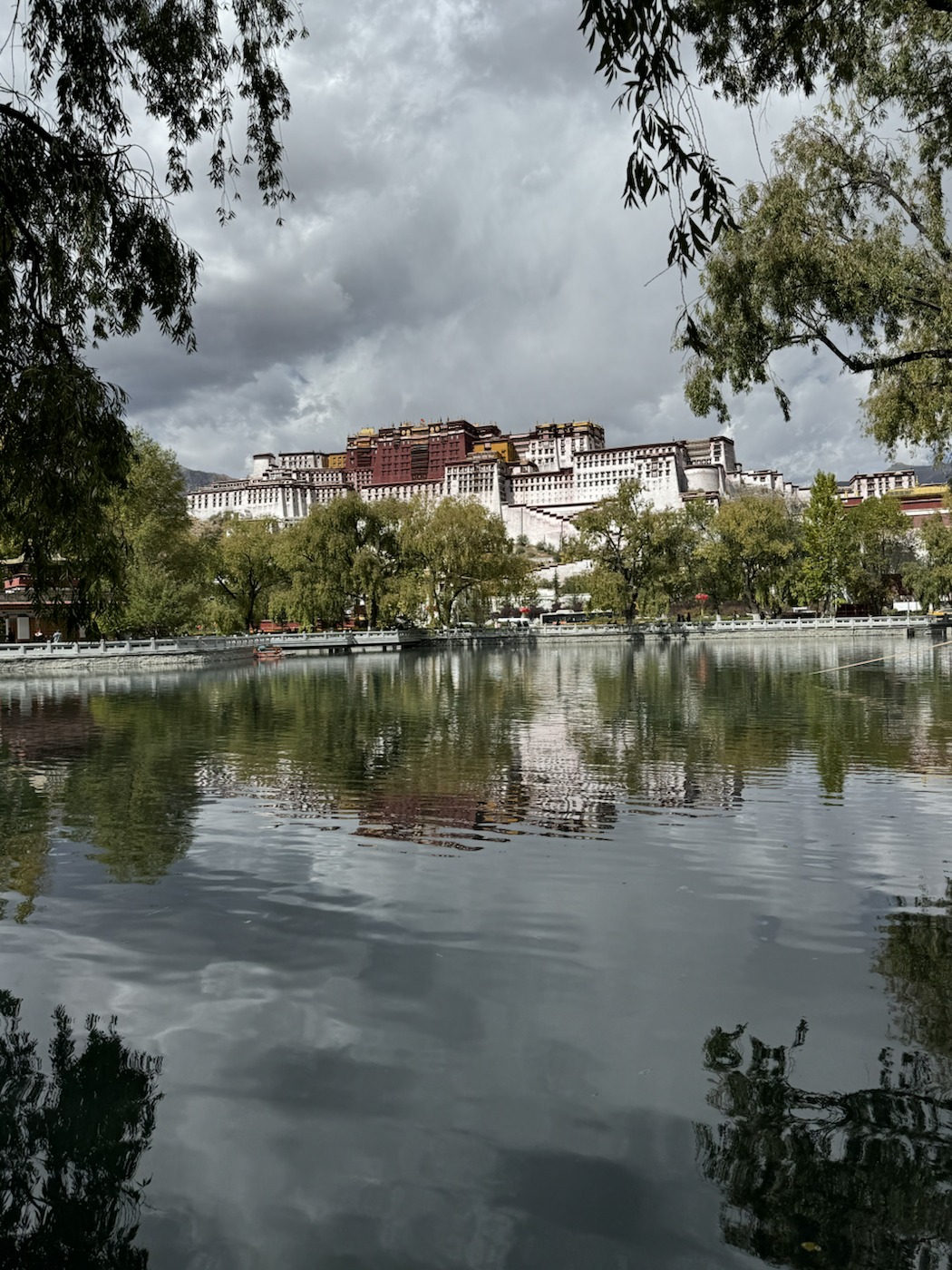
Today you will start your day by visiting the massive 1000 room Potala Palace, the most iconic building in Tibet. You will work your way up the steps of the Potala and then go through the most important rooms in this famous UNESCO site. After lunch, you will visit Norbulingka Palace which is known as the summer palace and retreat sight of successive lines of the Dalai Lama since 18th century. If interested then you can visit the Tibet Museum as it is not far from Norbulingka Palace.In the late afternoon and evening, you will have free time to explore Lhasa on your own or do some souvenir shopping. We can also take a night visit to do some photography in front of the lights of the Potala Palace after dinner.
Overnight at 4 star hotel in Lhasa at 3,656 meters.
Day 4
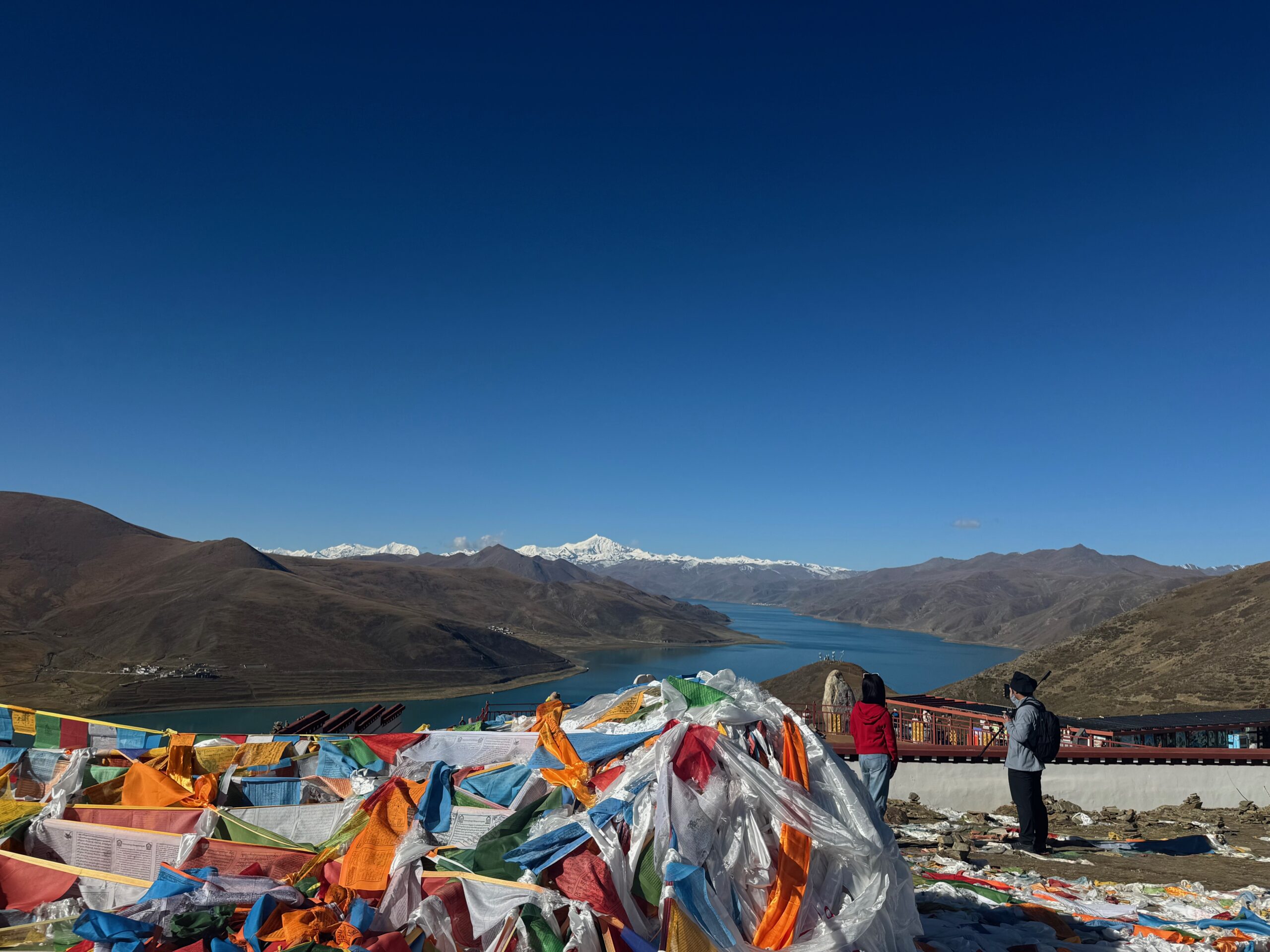
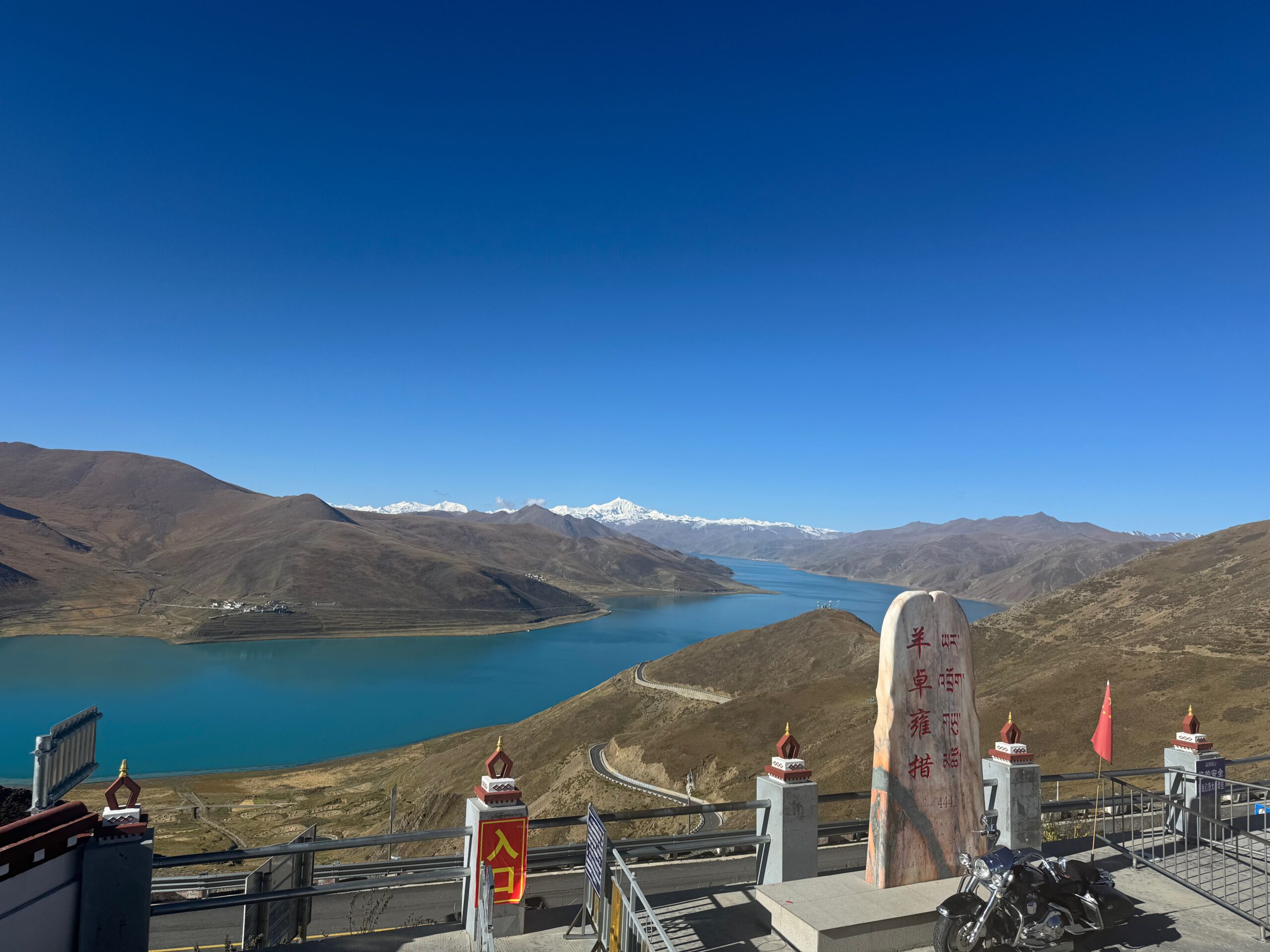
You will depart Lhasa in the early morning and drive through the scenic Yarlung River Valley towards Yamdrok Lake. Yamdrok is one of Tibet’s 4 main holy lakes and is regarded as one of the most beautiful lakes in the Himalaya due to its stunning blue color. From the Kamba La Pass, you get a panoramic view of this spectacular lake with the nearby mountains. Next, we will drive along the lake shore to Nankartse, where you will stop for lunch. In the afternoon, we will begin ascending again to the stunning Karo La Glacier. Here, you can get an up close view of Mt. Nojin Kangtsang and the glaciers coming pouring off its 7000 meter peaks. Our next stop is the pleasant town of Gyantse where we will visit the massive Gyantse Kumbum Stupa as well as the Pelkhor Chode Monastery. You will then continue to Shigatse, elevation 3,840 meters.
We will spend the night in a 4 star hotel in Shigatse.
Day 5
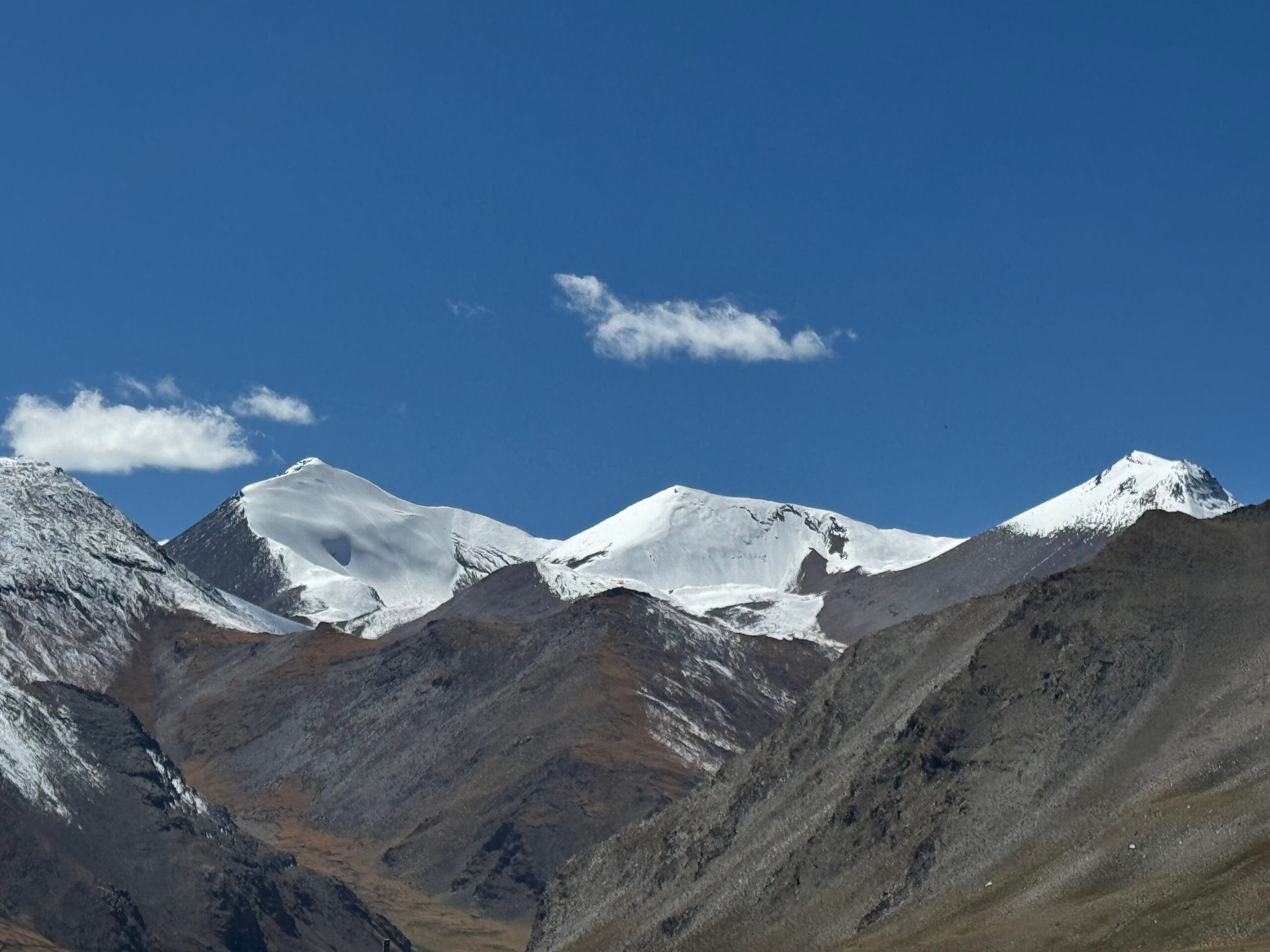
This day will take you from Shigatse to Tibet’s North Face at Everest Base Camp. Along the way, you will be passing through several small Tibetan farming villages where you will be able to photograph local culture. You will cross over the 5,248 meter high Gyatso La Pass, which offers a sweeping view of the rolling Himalayan Mountains. You will then continue on to the Everest Region crossing over another high pass. This pass, the Geu La, offers a spectacular panoramic view of the glaciers and mountains of the Himalayan Range. From here, you can see 5 of the world’s 15 highest peaks, including Mount Everest. As you arrive in Rongbuk Monastery, you will have the option of walking a short way up to Everest Base Camp for some sunset photos over the world’s highest peak.
Accommodation in Tent or Monastery Guest House at Everest Base Camp.
Note: If time permits in afternoon, then we can do an optional short hiking around EBC and the Rongbuk monastery for more good views
Day 6
After watching the sunrise on Mt. Everest, you will make the journey back to Shigatse. You will stop again at Rongbuk Monastery and at the Geu La passes for some final views of Mt. Everest. In Shigatse, you will stay again at the 4 star Gesar Hotel. The driving distance from Everest to Shigatse is 350 kilometers and the driving time is 7 hours. Visit the local market in Shigatse in the afternoon. Overnight in Gesar hotel. Note: If time permits, then you can do a pilgrimage walk around Tashi Lhunphu monastery and the historical market where you can actually bargain and find some unique souvenirs for the last time.
Day 7
After breakfast, you will explore Tashi Lhunpo Monastery, the main attraction in Shigatse. This is the largest monastery in the Central Tibet area. You will then follow the beautiful Yarlung River back to Lhasa. You will arrive in Lhasa in the late afternoon with enough time to wander the Old Town one last time and to do any last minute shopping. The distance from Shigatse to Lhasa is 270 kilometers and the driving time is 7 hours.
Overnight at 4 Star hotel in Lhasa.
Day 8
Price Includes
Your Tibetan Trails journey is designed to provide a seamless and authentic travel experience across the Tibetan Plateau. The tour price includes:
- Accommodation in carefully selected Tibetan boutique hotels, guesthouses, or luxury lodges throughout the itinerary.
- For trekking and backpacking expeditions, all camping arrangements including tents, cooking equipment, pack animals (horses or yaks where required), and support staff. Guests are welcome to bring their own sleeping bag and sleeping pad, though these can also be provided upon request.
- Cultural experiences and nomadic activities as outlined in the itinerary.
- All meals during the tour, typically beginning with lunch or dinner on the first day and continuing through the conclusion of the trip. (Many other travel agencies cut out lunch and dinner for guests to make the prices seem lower, but we believe every traveler should experience the true culinary richness of Tibet and include a generous food budget inside our tours).
- One professional English-speaking Tibetan guide throughout the journey. Our guides have over 15 years of experience with foreigners.
- Private transportation in a comfortable van, SUV, or bus, including all ground transportation specified in the itinerary.
- All entrance fees and permits for attractions, monasteries, parks, and sites included in the itinerary.
- Accommodation and meals for guides, drivers, and support staff.
- Local mountain guides where required for specific trekking routes.
- All required travel permits, legal paperwork, and group insurance required for travel within Tibetan regions.
- Unlimited bottled drinking water throughout the tour.
Price Excludes
The following items are not included in the tour price:
- International or domestic flights and train tickets.
- Personal travel insurance. We require all travelers to obtain their own travel insurance for the duration of their trip. We recommend purchasing coverage through World Nomads or a comparable provider.
- Visa fees, passport fees, and any related travel documentation costs.
- Optional activities or excursions not specifically listed in the itinerary.
- Alcoholic beverages, specialty drinks, and personal snacks.
- Gratuities for guides, drivers, and support staff (recommended for excellent service).
- Personal expenses such as laundry, souvenirs, and telephone charges.
- Costs resulting from itinerary changes, flight delays, weather conditions, altitude-related issues, government restrictions, natural disasters, or other force majeure events beyond our control.